


How common is HPV? UK and Europe prevalence guide
Human papillomavirus (HPV) is one of the most common viral infections affecting sexually active people in the UK and Europe, with most adults acquiring at least one strain during their lifetime. The UK Health Security Agency confirms HPV as a leading sexually transmitted infection, yet public awareness of how widespread it truly is remains surprisingly low. Many people assume HPV is rare or only a concern for younger adults. Neither is true. Understanding the real scale of HPV infection, who it affects, and what you can do about it is the first step toward taking your sexual health seriously.
What are the current HPV infection rates across the UK and Europe?
HPV infection rates across the UK and Europe are high, and the virus circulates far more widely than most people realise. There are over 200 known HPV genotypes, divided broadly into low-risk types (which cause genital warts) and high-risk types (which are linked to cervical, anal, and other cancers). Understanding which type you may have encountered matters enormously for your health decisions.
In England, 23,282 new genital warts diagnoses were recorded in 2025, representing 7.0% of all new STI diagnoses. That figure reflects only the visible, symptomatic cases. The vast majority of HPV infections produce no symptoms at all, meaning the true number of people carrying the virus is considerably higher.

Across Europe, prevalence varies significantly by country and vaccination coverage. Vaccine uptake strongly shapes HPV rates, with high-uptake populations seeing vaccine-targeted genotype prevalence fall below 1%, while low-uptake regions carry substantially higher rates. Countries in Eastern Europe with historically lower vaccination coverage show noticeably higher HPV infection rates than those in Scandinavia or the UK.
High-risk versus low-risk genotypes
The distinction between high-risk and low-risk HPV genotypes is clinically significant. Low-risk types, particularly HPV 6 and HPV 11, cause the majority of genital warts cases. High-risk types, particularly HPV 16 and HPV 18, are responsible for the majority of HPV-related cancers. Both circulate widely in the sexually active population, and a person can carry more than one genotype simultaneously.
The rise of STIs across Europe provides useful context here. HPV does not exist in isolation. It spreads alongside other infections, and the same behaviours that increase STI risk generally increase HPV exposure too.
How does HPV prevalence vary by age and gender?
HPV does not discriminate by age as sharply as many people believe. Peak infection rates do occur in younger sexually active adults, but the risk does not disappear after your twenties. 56.24% of disease-causal high-risk HPV infections occur in individuals older than 25 years. That figure alone dismantles the assumption that HPV is primarily a young person’s problem.
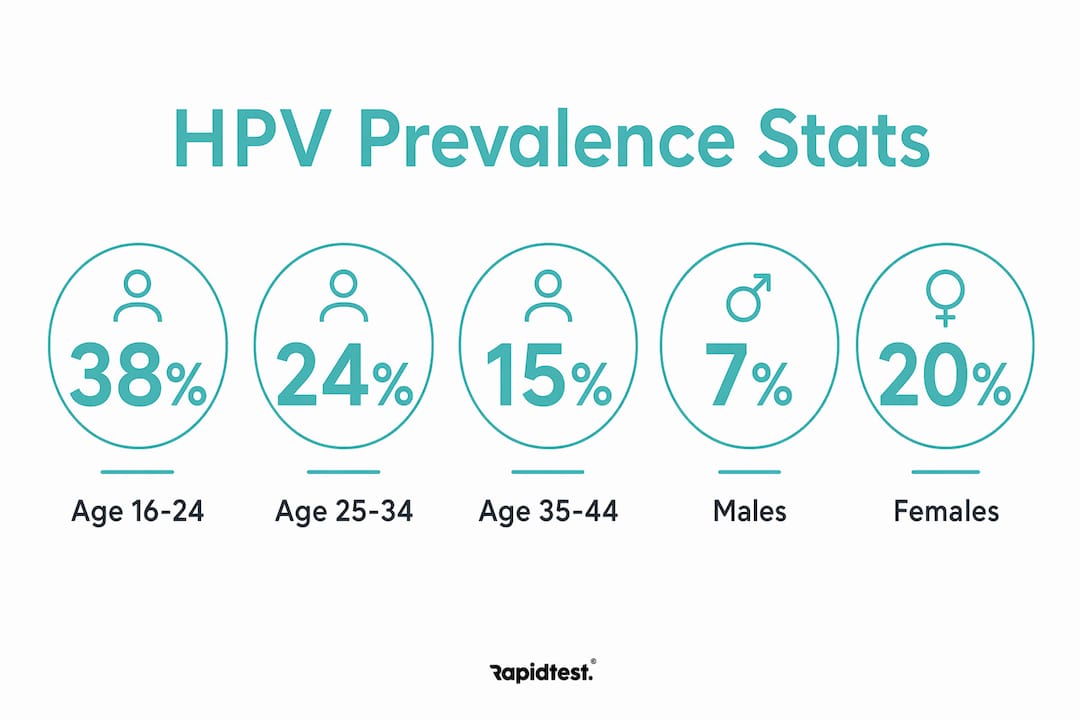
Gender differences in HPV prevalence are also notable. Women are more frequently screened for HPV through cervical screening programmes, which means their infection rates are better documented. Men, by contrast, have no equivalent routine screening pathway in most European countries. This gap in surveillance almost certainly means male HPV prevalence is underreported.
Key age and gender patterns worth knowing:
- HPV infection rates peak in adults aged 18–25, but remain significant well into middle age.
- High-risk HPV infections are more likely to persist and cause disease in adults over 25, rather than clearing naturally as they often do in younger people.
- Men over 40 show higher rates of oral HPV, linked to sexual behaviour and oral health status.
- Women benefit from cervical screening, but men have no equivalent national programme in the UK.
Pro Tip: If you are over 30 and sexually active, sexual health screening for adults should include HPV awareness, not just standard STI panels. The risk does not plateau at 25.
What impact has the HPV vaccination programme had on prevalence?
The UK’s national HPV vaccination programme has produced measurable results. Genital warts diagnoses fell by 7.3% between 2024 and 2025, a decline directly attributed to adolescent vaccination. That is a meaningful public health achievement, and it reflects the programme’s success in reducing transmission of the low-risk genotypes that cause warts.
The picture across Europe is less uniform. Variability in vaccine uptake across European countries creates marked differences in HPV prevalence. Nations with strong school-based vaccination programmes show steeper declines in HPV-related conditions. Those with fragmented or opt-in programmes see slower progress.
| Indicator | Pre-vaccination trend | Post-vaccination trend |
|---|---|---|
| Genital warts diagnoses (UK) | Rising year on year | Declining, down 7.3% in 2024–25 |
| Vaccine-targeted genotype prevalence | High in sexually active adults | Below 1% in high-uptake populations |
| High-risk HPV-related cancers | Stable or rising | Early signs of decline in vaccinated cohorts |
Despite these gains, HPV remains highly prevalent and largely asymptomatic across the population. Vaccination reduces risk. It does not eliminate it.
Pro Tip: Vaccination protects against specific high-risk and low-risk genotypes, but not all of them. If you were vaccinated as a teenager, you still benefit from regular screening and awareness of symptoms.
How common is oral HPV and why does it matter?
Oral HPV is more common than most people expect, and it matters beyond the obvious concern about genital infection. A UK study found that 10.6% of adults in routine dental care test positive for any HPV genotype, with 2.7% carrying high-risk oral HPV. Those figures come from people attending ordinary dental appointments, not sexual health clinics. That context makes them particularly striking.
Oral HPV is linked to a subset of head and neck cancers, particularly oropharyngeal cancers. This connection has grown in clinical significance over the past two decades as rates of HPV-related throat cancers have risen in the UK and across Europe, even as other cancer types have declined.
Key facts about oral HPV prevalence:
- Oral HPV prevalence is higher among men over 40, with links to periodontal health and lifetime sexual partners.
- Oral HPV often produces no symptoms, making it easy to overlook.
- Standard sexual health checks rarely include oral HPV screening.
- The virus transmits through oral sex, meaning it is part of the same sexual health conversation as genital HPV.
Oral HPV rarely comes up in sexual health education, which is a gap worth closing. If you are discussing HPV risk with a partner or a clinician, oral transmission routes deserve a place in that conversation.
How can you access HPV testing in the UK and Europe?
HPV testing is not automatically included in a standard STI screen. Standard STI panels often exclude HPV because most infections are asymptomatic and self-clearing, and visual examination is typically used to diagnose genital warts rather than laboratory testing. This means many people carrying HPV have no idea, because they have never been specifically tested for it.
Here is how testing currently works in practice:
- Cervical screening (smear test): Women in the UK aged 25–64 are invited for cervical screening, which now includes HPV primary testing. This is the most systematic HPV detection pathway available in the UK.
- Clinical visual examination: Genital warts are diagnosed by a clinician based on appearance. No swab or blood test is required for this diagnosis.
- HPV DNA testing: Specific HPV DNA tests can detect the virus in the absence of symptoms. These are available through sexual health clinics and, increasingly, through at-home HPV testing options.
- At-home rapid test kits: For people who want private, quick results without a clinic visit, at-home kits offer a practical route. Rapidtest’s HPV rapid test kit delivers results in 15 minutes at home.
- Urine-based testing: Urine HPV testing is an emerging, non-invasive option that removes barriers for people who find swab-based tests uncomfortable.
The STI screening guide from Rapidtest outlines who should test and when, covering both routine and targeted screening approaches.
Key takeaways
HPV is one of the most widespread viral infections in the UK and Europe, with the majority of sexually active adults encountering it at some point, making regular screening and vaccination the most reliable tools for managing risk.
| Point | Details |
|---|---|
| HPV is extremely common | Most sexually active adults in the UK and Europe will encounter HPV at some point in their lives. |
| Adult risk is underestimated | 56.24% of disease-causal high-risk HPV infections occur in people over 25, not just younger adults. |
| Vaccination works, but is not complete | Genital warts diagnoses fell 7.3% in the UK between 2024 and 2025, yet HPV remains widely circulating. |
| Oral HPV is often missed | 10.6% of UK dental patients test positive for HPV, yet oral screening is rarely part of routine sexual health checks. |
| Standard STI tests miss HPV | HPV is excluded from most routine STI panels; specific HPV testing requires a targeted test or cervical screening. |
Let’s be real about HPV awareness
I have spent years reading sexual health data, and the thing that still surprises me is how consistently people underestimate HPV prevalence. Not because the information is hidden. Because the framing is almost always wrong.
Most public messaging positions HPV as a young person’s issue, something you vaccinate against at school and then stop thinking about. But the data tells a different story. The majority of high-risk HPV infections that actually cause disease occur after the age of 25. Oral HPV affects one in ten adults attending routine dental appointments. And yet neither of these facts features prominently in public health campaigns.
The vaccination programme is genuinely impressive. A 7.3% drop in genital warts diagnoses in a single year is not a small thing. But vaccination is not a full stop. It is a comma. The virus still circulates widely, it still causes cancer in unvaccinated people and in vaccinated people who encounter non-vaccine-targeted strains, and it still goes undetected in the vast majority of people who carry it.
What I think needs to change is the conversation around testing. HPV should not be something you only think about when a smear test flags it. If you are sexually active, regardless of age or gender, HPV awareness belongs in your regular health routine. Normalising that conversation, without shame or alarm, is how we actually reduce the harm this virus causes.
— Jack
Private HPV testing with Rapidtest
Knowing how widespread HPV is can feel unsettling. The good news is that testing has never been more straightforward.

Rapidtest offers at-home STI testing kits that give you results in 15 minutes, with no clinic visit, no queue, and no awkward conversation. The HPV rapid test kit is designed for private, accurate screening from your own home. Whether you want to check for genital warts-associated HPV or simply want peace of mind, Rapidtest makes it easy to stay on top of your sexual health on your own terms. Check the HPV symptoms in men guide if you want to understand what to look out for before you test.
FAQ
How common is HPV in the UK?
HPV is one of the most common sexually transmitted infections in the UK. Most sexually active adults will acquire at least one HPV strain during their lifetime, with tens of thousands of new genital warts diagnoses recorded each year.
Does HPV only affect young people?
No. 56.24% of disease-causal high-risk HPV infections occur in people over 25, meaning adult risk remains significant well beyond adolescence.
Will a standard STI test detect HPV?
Not usually. HPV is commonly excluded from routine STI panels because most infections are asymptomatic. You need a specific HPV test, cervical screening, or an at-home HPV kit to detect it.
Can vaccinated people still get HPV?
Yes. The HPV vaccine protects against specific high-risk and low-risk genotypes, but not all strains. Vaccinated individuals can still acquire HPV types not covered by the vaccine, so ongoing awareness and screening remain relevant.
Is oral HPV common?
10.6% of UK adults attending dental appointments test positive for HPV, with 2.7% carrying high-risk genotypes. Oral HPV is more common than most people realise and is linked to certain head and neck cancers.