


HPV symptoms in men: what you need to know
Human papillomavirus (HPV) is the most common sexually transmitted infection in the UK, and HPV symptoms men experience are often invisible. Nearly 80% of sexually active men will contract HPV at some point in their lives. Most will never know. The virus clears on its own in the majority of cases, but some strains cause genital warts or, in rare cases, cancer. Knowing what to look for, and understanding why diagnosis is so difficult for men, is the first step towards protecting your sexual health.
What are the common HPV symptoms in men?
HPV in men most commonly presents as genital warts, or produces no visible signs at all. Genital warts appear as flesh-coloured, raised or flat bumps that can resemble cauliflower in texture. They develop weeks or months after exposure, sometimes longer. You might spot them on the penis, scrotum, thighs, or around the anus.
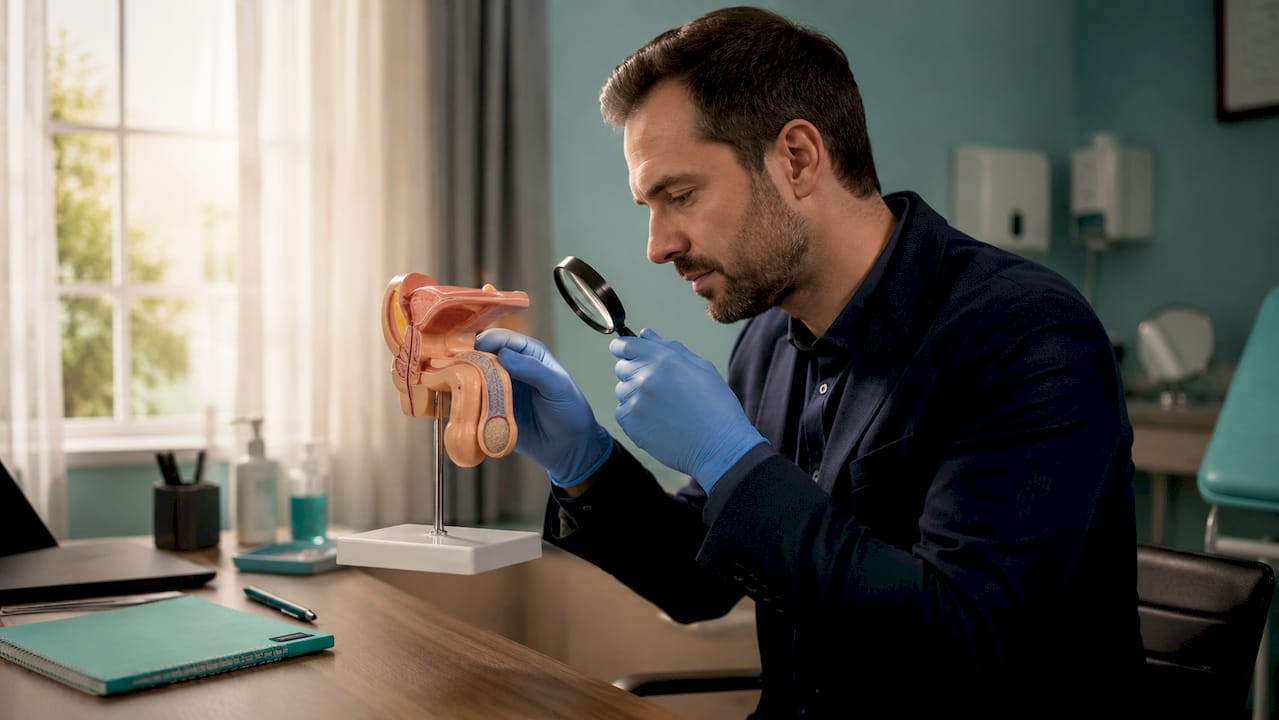
Warts may appear alone or in clusters and are usually painless, though some men notice itching or mild discomfort. The absence of pain is one reason so many men miss them or dismiss them as something minor. If you notice any unusual growth in the genital area, that is reason enough to get checked.
Beyond genital warts, HPV signs in males can occasionally point to something more serious. HPV-related cancers in men including penile, anal, and oropharyngeal cancers develop over years or even decades. Symptoms to watch for include:
- A persistent sore throat that does not resolve after a few weeks
- Unexplained lumps in the neck or jaw area
- Unusual growths, sores, or bleeding on or around the genitals
- Difficulty swallowing or a hoarse voice that lingers
- Unhealed wounds or lesions in the anal region
These cancer-related symptoms are rare. They matter because they are easy to attribute to something else, which means they can go unaddressed for too long.
Pro Tip: If you notice a new growth or sore in the genital area that has not cleared within two weeks, book an appointment with your GP or a sexual health clinic. Early review is always better than waiting.
Most men with HPV will experience none of the above. The infection typically clears within one to two years without any treatment. That said, symptom-free does not mean risk-free, which is why awareness of male HPV symptoms matters even when you feel completely fine.
Why is HPV diagnosis for men harder than for women?
The honest answer is that the system is not set up to catch HPV in men. No routine FDA-approved HPV test for men currently exists, and the same gap applies in the UK. Diagnosis relies almost entirely on a healthcare provider visually inspecting any visible lesions or warts. If there are no visible symptoms, there is no standard test to confirm infection.
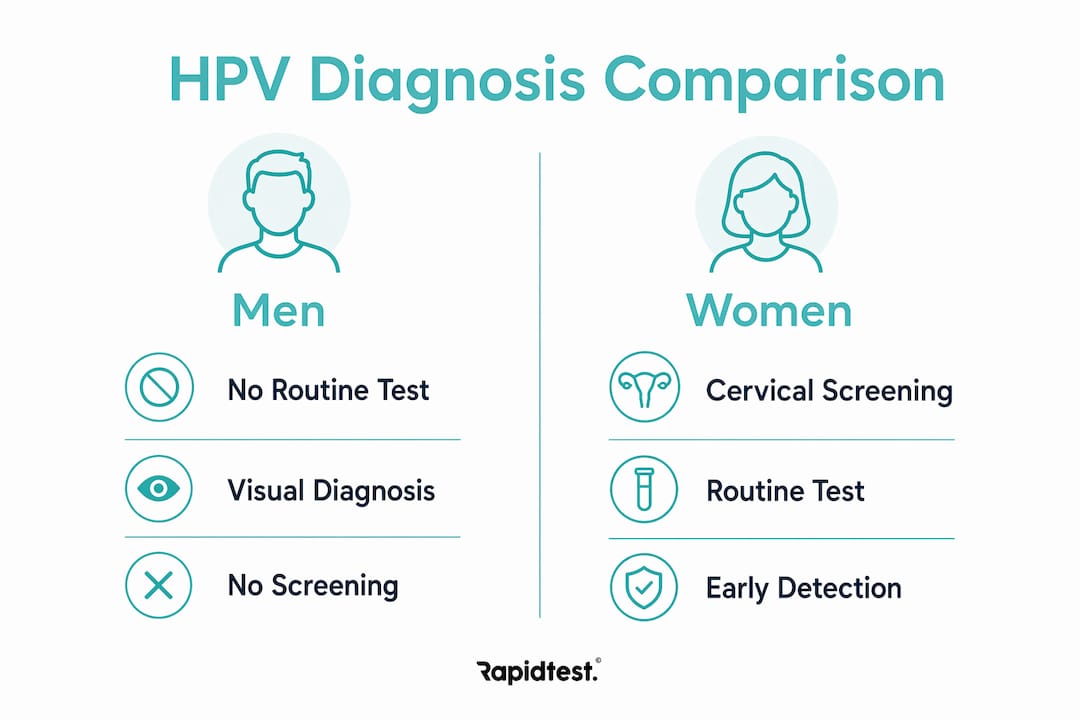
Compare that to the situation for women. Women benefit from regular cervical screening through the NHS, including smear tests and HPV testing as part of the cervical cancer prevention programme. This means high-risk HPV strains in women are often caught before they cause any damage. Men have no equivalent routine pathway. The result is that many men carry and transmit HPV without ever receiving a diagnosis.
| Aspect | Men | Women |
|---|---|---|
| Routine HPV test available | No | Yes (cervical screening) |
| Diagnosis method | Visual inspection of symptoms | Cervical smear and HPV test |
| Asymptomatic detection | Not currently possible | Possible through screening |
| Cancer monitoring pathway | Limited | Established via NHS programme |
This gap is not just inconvenient. The lack of routine HPV testing for men creates a health equity gap that affects early detection and transmission prevention. The Closing the HPV Testing Gap Act in the US aims to develop reliable, non-invasive HPV tests for men. Similar calls are growing in the UK. Until a standardised test exists, men are largely left to manage their risk through awareness and prevention.
Pro Tip: If you are sexually active and concerned about HPV, ask your GP or sexual health clinic about anal cytology screening if you are a man who has sex with men. This is one of the few available monitoring tools for high-risk HPV in men.
How can men reduce the risks associated with HPV?
Prevention is the most powerful tool available to men right now, given the limits of testing. The HPV vaccine is the single most effective preventive measure. In the UK, the NHS offers the HPV vaccine to boys and girls aged 12–13 through the school vaccination programme. Men who have sex with men can access the vaccine through sexual health clinics up to age 45. If you have not been vaccinated, it is worth asking your GP whether it is still appropriate for you.
Here are the most practical steps men can take to reduce their HPV risk:
- Get vaccinated. The HPV vaccine protects against the high-risk strains most likely to cause cancer and the low-risk strains that cause genital warts. It works best before exposure, but still offers protection afterwards.
- Use condoms consistently. Condoms reduce the risk of HPV transmission, though they do not eliminate it entirely. HPV spreads through skin-to-skin contact, including areas not covered by a condom.
- Attend regular sexual health check-ups. Even without a dedicated HPV test, a sexual health clinic can check for genital warts, screen for other STIs, and give you personalised advice. Check out this sexual health screening guide for a practical starting point.
- Talk to your partners. Openness about sexual health reduces stigma and helps partners make informed decisions. HPV is so common that having it carries no judgement.
- Support your immune system. Most men clear HPV naturally, often faster than women. A healthy immune system, supported by good sleep, regular exercise, and not smoking, helps your body do that job.
Stigma is one of the biggest barriers to men taking HPV seriously. Reframing it as a routine health matter rather than something shameful makes it far easier to act on.
What should you do if you notice potential HPV symptoms?
If you spot something that looks like a genital wart or any unusual growth, do not wait it out hoping it disappears. The right move is to see a healthcare provider promptly. A GP or sexual health clinic can usually diagnose genital warts through a visual examination alone. No painful tests required in most cases.
Here is what to expect and what to do:
- Book an appointment quickly. Sexual health clinics in the UK offer free, confidential appointments. You do not need a GP referral.
- Describe your symptoms clearly. Note when you first noticed the growth, whether it has changed, and any discomfort you feel.
- Ask about treatment options. Genital warts can be treated with topical creams such as podophyllotoxin or imiquimod, or removed through cryotherapy or minor surgery. Treatment does not eliminate the virus itself, but it clears the visible warts.
- Tell your partner. This is uncomfortable but necessary. Your partner may need to be checked, and both of you benefit from knowing.
- Follow up if symptoms return. Genital warts can recur because the virus may remain in the body even after warts are treated.
The good news is that many HPV infection symptoms in men resolve without treatment. Your body’s immune system clears the virus in most cases. Treatment is about managing visible symptoms and reducing transmission risk, not curing an ongoing illness. You can also review a sexual health checklist to make sure you are covering all the bases.
Key takeaways
Most HPV infections in men are asymptomatic and self-clearing, but awareness of symptoms, vaccination, and regular sexual health checks remain the most effective tools for protecting yourself and your partners.
| Point | Details |
|---|---|
| HPV is extremely common | Nearly 80% of sexually active men will contract HPV at some point in their lives. |
| Symptoms are often absent | Most men with HPV have no visible signs, making awareness and prevention critical. |
| Genital warts are the main sign | Flesh-coloured, cauliflower-like bumps on the genitals or anus are the most common symptom. |
| No routine test exists for men | Diagnosis relies on visual inspection; no standard HPV test for men is currently available. |
| Vaccination is the best protection | The HPV vaccine protects against the strains most likely to cause warts and cancer. |
Let’s be real about men and HPV
Here is something I think gets glossed over in most articles on this topic. The conversation around HPV is almost always framed around women’s health, cervical screening, and female vaccination rates. Men fall through the cracks, not because HPV affects them less, but because the system has not caught up.
I have spoken to men who were genuinely shocked to learn they could carry and transmit HPV without any symptoms whatsoever. Absence of symptoms does not mean absence of infection. That single fact changes how you think about sexual health entirely. It shifts the responsibility from “I’ll get checked if something looks wrong” to “I’ll stay informed and proactive regardless.”
The lack of a standardised HPV test for men is a genuine gap in public health. Until that changes, the best thing any man can do is get vaccinated, attend regular sexual health check-ups, and stop treating sexual health as something to deal with only when a problem appears. Men’s health awareness, including understanding your HPV and STI risk, deserves the same attention as any other aspect of your wellbeing. Knowing the facts is not alarming. It is just sensible.
— Jack
Private HPV and STI testing from Rapidtest
Waiting rooms and awkward conversations are not for everyone. Rapidtest offers at-home STI testing kits that give you results in 15 minutes, with no GP appointment, no lab visit, and no queue.

If you are concerned about HPV or want to screen for a range of STIs privately and conveniently, Rapidtest’s at-home STI testing kits let you test on your own terms. The HPV genital warts rapid test kit is designed specifically to help men check for visible HPV-related warts quickly and discreetly at home. Results in 15 minutes. No fuss. You can also browse Rapidtest’s full range of rapid HPV test kits to find the right option for your needs.
FAQ
Can men get tested for HPV?
There is currently no routine HPV test approved for men in the UK. Diagnosis relies on a healthcare provider visually inspecting any symptoms, such as genital warts.
What do HPV symptoms look like in men?
The most common sign is genital warts: flesh-coloured, raised or flat bumps that may resemble cauliflower, appearing on the penis, scrotum, or around the anus.
Can you have HPV with no symptoms?
Yes. The majority of men with HPV have no visible symptoms at all. The infection often clears naturally within one to two years without any treatment.
How does HPV spread between men and their partners?
HPV spreads through skin-to-skin sexual contact, including areas not covered by a condom. Transmission can occur even when no warts or other symptoms are present.
Does HPV in men go away on its own?
Most HPV infections in men clear naturally, often faster than in women. A healthy immune system plays a key role in clearing the virus without medical intervention.