


At home HPV test: how to do it right in 2026
An at home HPV test is a validated self-collection method where you swab your own vagina and mail the sample to a laboratory for high-risk HPV screening. As of january 2026, federal cervical cancer screening guidance now includes self-collection as a legitimate option, shown to be as effective as provider-collected screening. This means you no longer need a pelvic exam to take a meaningful step towards cervical cancer prevention. This guide walks you through who should test, how to do it correctly, and what your results actually mean.
Who should use an at home HPV test?
Self-collection HPV testing, the clinical term for at home HPV screening, is designed for average-risk individuals who want to take charge of their cervical health without a clinic visit. Knowing whether you are a good candidate is the first step to getting a reliable result.
The right candidates for self-collection
You are a good fit for an HPV home testing kit if you meet all of the following:
- You are not currently pregnant
- You are not menstruating and have not been within the past 48 hours
- You have not used vaginal douches, treatments, lubricants, or tampons in the 48 hours before testing
- You have not had sexual intercourse in the 48 hours before testing
- You have no symptoms such as unusual bleeding or discharge
- You have no history of cervical cancer or recent cervical treatments
- You do not have HIV or a significantly weakened immune system
Eligibility criteria like these are critical for test reliability. Skipping any one of them risks an inaccurate result.
Pro Tip: Set a reminder on your phone for 48 hours before you plan to test. This makes it much easier to stick to the pre-collection rules without having to think about it on the day.
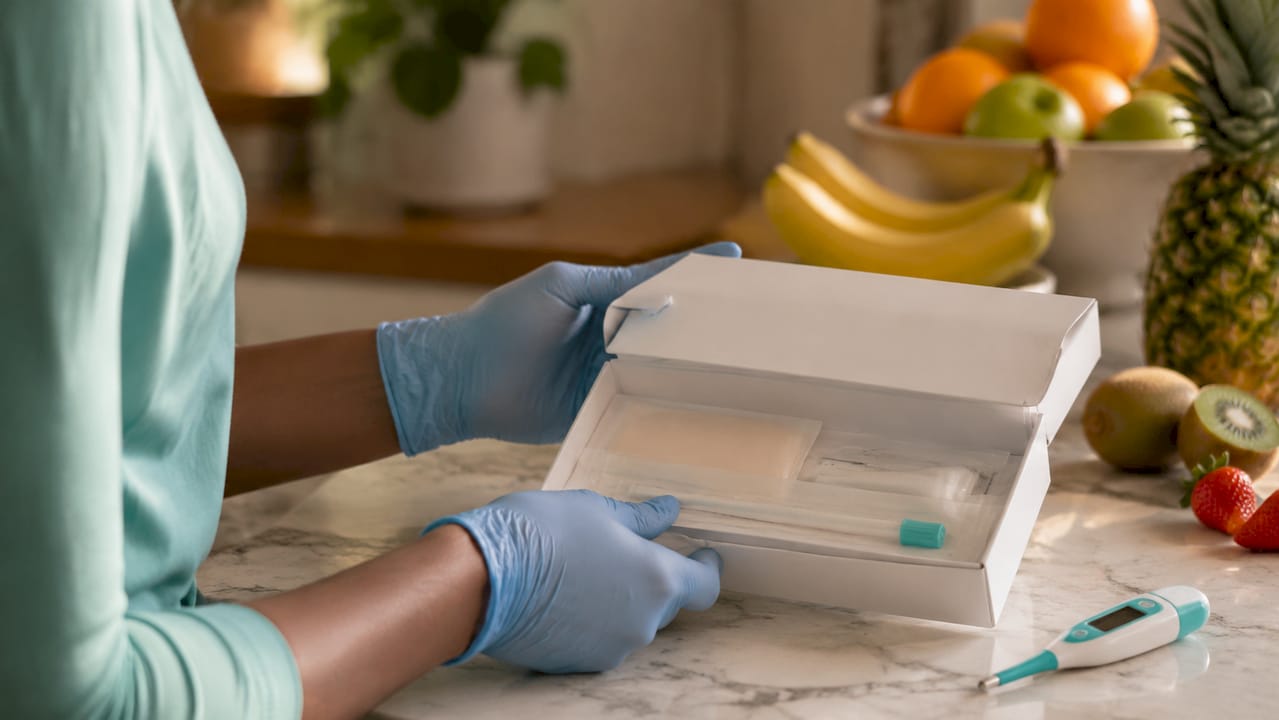
Self-collection is a screening tool, not a diagnostic one. A positive result does not mean you have cervical cancer. It means high-risk HPV has been detected and you need a clinician to investigate further. Going in with that understanding removes a lot of unnecessary anxiety.
How to test for HPV at home: step by step
Getting the process right matters. A contaminated or poorly collected sample can produce an invalid result, meaning you have to start again. Follow these steps carefully.
-
Wash your hands thoroughly with soap and water for at least 20 seconds before opening the kit. Do not touch your face or any surfaces after washing.
-
Open the kit hygienically. Lay out the components on a clean surface. Do not touch the tip of the swab or the inside of the collection tube at any point.
-
Position yourself comfortably. You can stand with one foot raised on a toilet seat, squat, or lie down. Choose whatever feels most natural.
-
Insert the swab gently into the vaginal opening to the depth specified in your kit instructions. This is typically around 5 centimetres. Do not force it.
-
Rotate the swab in a full circle at least three to five times, pressing lightly against the vaginal wall as directed. Insufficient rotation is one of the most common user errors and reduces sample quality.
-
Withdraw the swab carefully without touching it against your skin or clothing.
-
Place the swab immediately into the collection tube and seal it securely. Follow your kit’s specific sealing instructions exactly.
-
Package the sample in the prepaid return envelope or box provided. Seal it properly and post it within the timeframe stated in your instructions, usually within 24 hours.
Hygienic sample collection is the single biggest factor in whether your result is valid. The lab cannot work with a contaminated or improperly sealed sample.
Pro Tip: Read through the full instruction leaflet before you open the kit. Knowing each step in advance means you will not be fumbling with packaging or second-guessing yourself mid-collection.
A note on common mistakes: Touching the swab tip, under-rotating, using the wrong insertion depth, and delaying the post are the four errors that most often invalidate home samples. If you are unsure at any point, stop and re-read the instructions before continuing.
For more detail on collecting samples correctly at home, the Rapidtest guide on home STI sample collection covers the process clearly.
What do your results mean and what happens next?
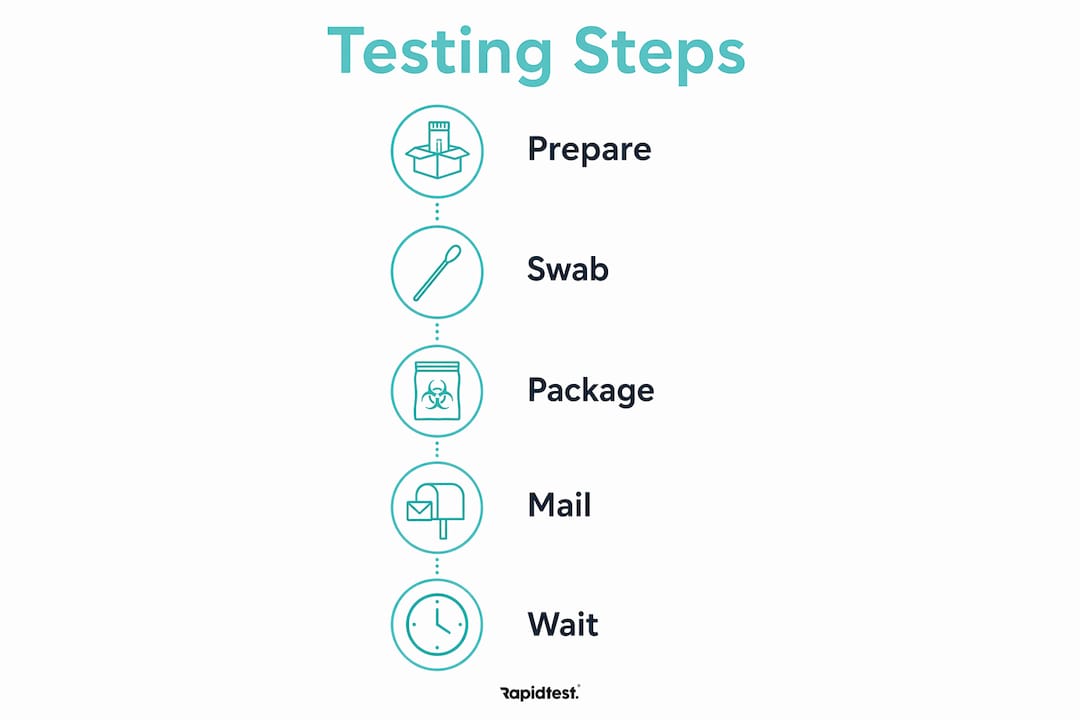
Understanding your result is just as important as collecting the sample correctly. Here is what each outcome means in practice.
Negative result
A negative result means no high-risk HPV was detected in your sample. According to the American Cancer Society, a negative self-collected result places you at very low risk of cervical cancer for the next three years. A clinician-collected negative result extends that low-risk window to five years. This is genuinely reassuring news and means you do not need to test again immediately.
Positive result
A positive result means high-risk HPV types were detected. This does not mean you have cancer. It means self-collected samples act as a triage signal, prompting the next step: a clinician-collected sample and a pelvic examination to look at cervical cells directly. Book that appointment promptly. Delays are the main risk with at-home testing.
Recommended follow-up intervals
| Result | Test Type | Recommended Next Step | Retest Interval |
|---|---|---|---|
| Negative | Self-collected | No immediate action needed | 3 years |
| Negative | Clinician-collected | No immediate action needed | 5 years |
| Positive | Self-collected | Clinician-collected sample and pelvic exam | As directed by clinician |
| Invalid | Any | Repeat collection | As soon as possible |
The American Cancer Society is clear that FDA approval and clinician follow-up are non-negotiable parts of the process. An at-home test without a plan for follow-up is an incomplete approach to cervical health.
How to choose and buy an HPV test online
Not all kits are equal. Only FDA-approved self-collection HPV tests should be used for cervical cancer screening. Using an unregulated product risks both an inaccurate result and a gap in your health records.
Fda-approved options currently available
Teal and Onclarity are two examples of FDA-approved at-home HPV tests. Both require an online provider screening or prescription before the kit is dispatched. Results are delivered via a secure online portal. This telehealth step exists to confirm your eligibility and to ensure there is a clinician in the loop if your result is positive.
There is also a widespread misunderstanding worth addressing. Many generic STI self-testing panels do not include HPV cervical cancer screening. Only kits specifically designed and FDA-approved for high-risk HPV self-collection should be relied upon for this purpose.
What to look for when you buy HPV test online
- FDA approval: The kit must be cleared specifically for self-collected HPV cervical screening
- Lab processing: Results should come from an accredited laboratory, not a lateral flow strip
- Telehealth or prescription step: A reputable provider will screen you before sending a kit
- Secure result delivery: Results should be accessible via a private online portal or direct clinician contact
- Clear follow-up pathway: The provider should explain what happens if your result is positive
Cost and insurance
Cost is a real consideration right now. Insurance coverage for self-collected HPV tests and necessary follow-up will begin on 1 january 2027, removing out-of-pocket costs for most users in the US. Until then, prices vary by provider. Comparing providers on both kit quality and total cost, including any telehealth fees, is worth doing before you commit.
Key takeaways
At home HPV testing is a clinically validated screening tool that works when you use an FDA-approved kit, follow collection instructions precisely, and have a follow-up plan ready before you test.
| Point | Details |
|---|---|
| Use FDA-approved kits only | Teal and Onclarity are approved examples; unregulated kits risk inaccurate results. |
| Prepare 48 hours in advance | Avoid vaginal products, intercourse, and menstruation before collecting your sample. |
| Technique determines validity | Correct swab rotation and hygienic handling are the most common points of failure. |
| Negative results last 3 years | A negative self-collected result means very low cervical cancer risk for three years. |
| Positive results need follow-up | A positive result requires a clinician-collected sample and pelvic exam, not panic. |
Let’s be real about what at-home HPV testing actually changes
Self-collection is one of the most genuinely useful developments in cervical health in years. Not because the technology is new, but because it removes the barriers that cause people to skip screening altogether. Embarrassment, transport, long waits, and the discomfort of a pelvic exam are real reasons people fall through the cracks. Self-collection substantially lowers these barriers, particularly for people in rural areas or those who have had difficult clinical experiences.
That said, I have one concern I want to be direct about. The biggest risk with at-home testing is not a bad result. It is a positive result with no follow-up plan. People take the test, get a positive, and then freeze. They do not know who to call or how quickly they need to act. The most critical aspect of home HPV testing is planning your clinician follow-up before you even open the kit. Know exactly who you will contact and how. That preparation is what makes the test genuinely useful rather than just anxiety-inducing.
Treat at-home HPV screening as one part of a broader approach to sexual health. Pair it with regular STI checks, honest conversations with your GP, and a calendar reminder for your next test. Ownership of your health is not a single action. It is a habit.
— Jack
Test at home with Rapidtest
Taking control of your sexual health should not mean booking weeks in advance or sitting in a waiting room. Rapidtest offers private, affordable at-home STI testing kits with clear instructions and fast results.
Whether you are looking for a starting point or want to build a regular screening routine, Rapidtest has you covered. Browse the full range of at-home STI testing kits for results in 15 minutes, no appointment needed. Discreet shipping, straightforward instructions, and professional support if you need next steps. Your health, on your terms.
FAQ
What is an at home HPV test?
An at home HPV test is a self-collection kit where you swab your own vagina and mail the sample to a laboratory to screen for high-risk HPV types linked to cervical cancer. It is a clinically validated screening method, not a diagnostic test.
How accurate is HPV home testing compared to a clinic test?
Federal guidance confirmed in january 2026 that self-collected HPV testing is as effective as provider-collected screening when an FDA-approved kit is used correctly. Accuracy depends heavily on following the collection instructions precisely.
Can i use any HPV test kit i find online?
No. Only FDA-approved self-collection kits designed specifically for high-risk HPV cervical screening should be used. Generic STI panels do not include HPV cervical cancer screening and should not be substituted.
What happens if my result is positive?
A positive result means high-risk HPV was detected and you need a clinician-collected sample and pelvic examination to examine your cervical cells. Positive results require follow-up promptly. They do not confirm cancer.
How often should i test for HPV at home?
A negative self-collected result means you are at very low cervical cancer risk for the next three years, so you do not need to retest before then. A negative clinician-collected result extends that window to five years.