


Confidential health testing: why privacy changes everything
Talking about sexual health isn’t easy. For a lot of people, the idea of walking into a clinic, giving your name at reception, and waiting in a room full of strangers is enough to put them off testing altogether. That’s not a personal failing. It’s a completely human response to a system that doesn’t always feel safe or discreet. Confidential health testing exists to change that. Whether you’re worried about stigma, embarrassed about asking for a test, or simply value your privacy, there are now more ways than ever to get tested on your own terms, without the awkward conversations.
Table of Contents
- Key takeaways
- What confidential health testing actually means
- How at-home STI testing works
- Common worries about private testing, addressed honestly
- Comparing your testing options
- What to do before and after your test
- My take: confidentiality isn’t a workaround, it’s the point
- Test privately with Rapidtest today
- FAQ
Key takeaways
| Point | Details |
|---|---|
| Privacy is a right, not a luxury | Confidentiality in sexual health services is protected by law in the UK, not just a policy preference. |
| Home testing removes the biggest barriers | At-home STI kits let you test privately, at a time that suits you, without visiting a clinic. |
| Sample quality determines accuracy | Following collection instructions carefully is the single most important step for a valid result. |
| Results stay in your hands | Reputable providers use secure portals and discreet packaging so your results never reach anyone else. |
| Testing is empowerment, not admission | Getting tested regularly is one of the most responsible things you can do for yourself and your partners. |
What confidential health testing actually means
There’s a difference between confidential, anonymous, and private testing, and it’s worth understanding each one before you decide which route suits you.
Confidential testing means your results are recorded but legally protected. A clinic or provider holds your information, but NHS sexual health services are bound by strict confidentiality policies, only ever sharing details if there’s a serious risk of harm to yourself or others.
Anonymous testing goes a step further. No name, no address, no traceable record. Some walk-in sexual health clinics offer this, though availability varies.
Private testing typically refers to using a service outside the NHS, either through a private lab, a specialist clinic, or an at-home kit. Your data isn’t entered into shared NHS systems.
Here’s a quick overview of the main routes available:
- NHS sexual health clinics. Free, confidential, and staffed by specialists. The downside for many people is visibility. You may know staff, recognise waiting room faces, or simply feel uncomfortable.
- Private labs and clinics. You pay for a faster, more discreet experience. Comprehensive private health panels are increasingly available with results in 72 hours and no GP referral needed.
- At-home self-sampling kits. You order online, collect your sample at home, and get results delivered securely. No waiting rooms, no reception desks, no one else involved.
In the UK, you have a legal right to confidential sexual health testing regardless of your age. Teens who know about their legal right to independent STI testing are more than twice as likely to actually get tested. The knowledge makes a real difference.
How at-home STI testing works
At-home testing has come a long way. It’s not a compromise on accuracy. When done properly, it’s a genuinely reliable route to confidential results.
Here’s how the process typically works:
- Order your kit online. It arrives in plain, unmarked packaging with no indication of what’s inside or who it’s from.
- Read the instructions carefully. Each test type has a specific collection method, whether that’s a urine sample, a swab, or a finger-prick blood sample.
- Collect your sample at home. You’re in control of the timing and environment. No rushing, no audience.
- Either post your sample to a lab or read your result directly. Rapidtest kits give you results in 15 minutes at home, with no lab required.
- Receive your results securely. Results come through a secure online portal or directly from the kit itself. Nothing arrives through your letterbox in obvious packaging.
The one thing that genuinely affects accuracy is sample quality. Poor sample collection can lead to invalid results, even when the lab processing is fully accredited. This isn’t a reason to avoid home testing. It’s a reason to follow the instructions properly.
Pro Tip: Read the full instruction leaflet before you open any collection materials. Contamination often happens before people even realise they’ve made a mistake.
At-home STI testing removes the social barriers that put so many people off getting tested. No commute, no waiting room, no conversation you weren’t ready to have. You get the same clinical value in a setting that feels safe.
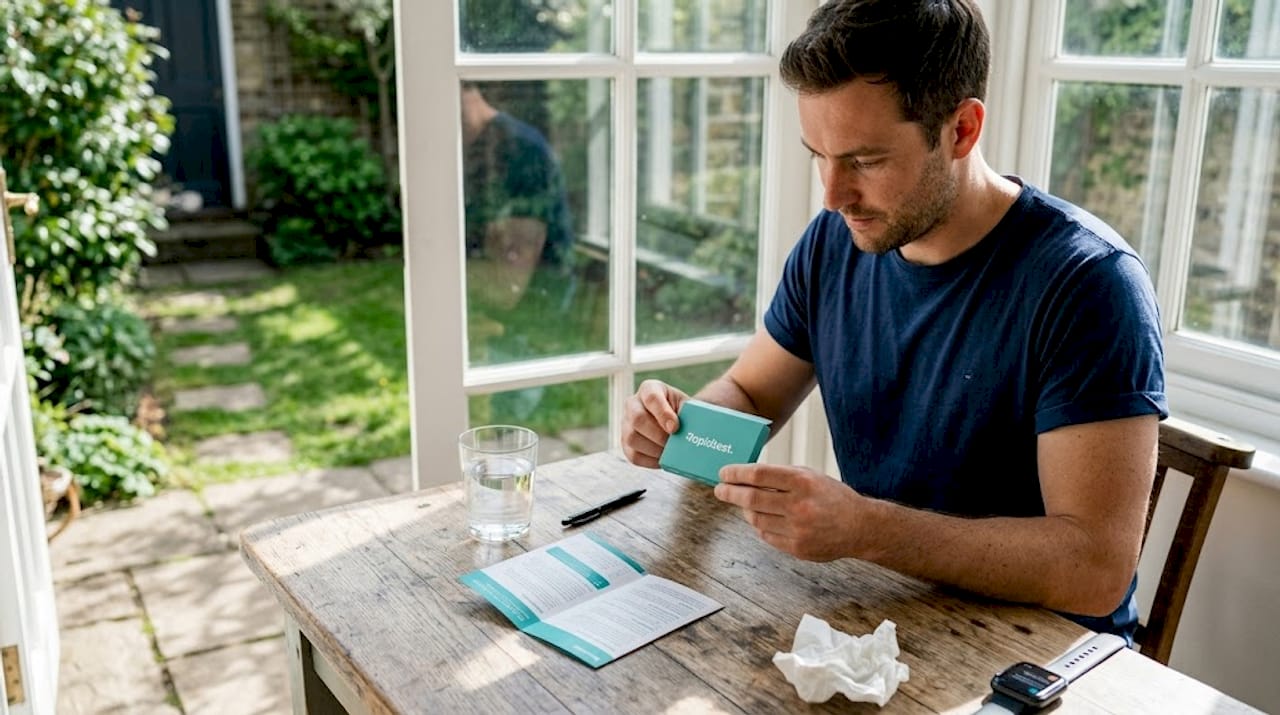
Self-collection kits cover a wide range of conditions including HIV, syphilis, chlamydia, and gonorrhoea. Self-test kits offer convenient, confidential collection with secure processing, making them a practical option for anyone who values discretion without sacrificing accuracy.
Common worries about private testing, addressed honestly
Let’s be real. Most people who hesitate around private health screening aren’t worried about the test itself. They’re worried about what happens to the information.
Here are the concerns we hear most often, and what you actually need to know:
- “Will my results show up on my medical records?” With at-home kits from providers like Rapidtest, your results are yours. They aren’t automatically shared with your GP or entered into NHS systems.
- “Is this actually legal and safe?” Yes. UK confidentiality law protects your information across both NHS and reputable private providers.
- “Are home test kits accurate enough to trust?” Accuracy depends on the kit and the collection. Accredited kits processed correctly are highly reliable.
- “What if someone sees my order or my results?” Reputable providers use plain packaging and secure digital result delivery. Nothing in your post gives anything away.
- “Is testing regularly actually necessary?” If you’re sexually active, the answer is yes, particularly if you have new or multiple partners. Regular STI screening is a normal part of looking after yourself.
“Privacy concerns are a major obstacle to testing. Discreet options directly address emotional barriers and empower people to actually engage with their own health.”
The emotional side matters too. There’s something genuinely freeing about being in charge of your own health information. Testing shouldn’t feel like a confession. It should feel like a choice. Individual health evaluations done privately help normalise the process and make it something you do for yourself, not something that’s done to you.
Comparing your testing options
Not every situation calls for the same approach. Here’s a clear breakdown to help you decide what fits your needs.
| Testing route | Anonymity | Result speed | Cost | Best for |
|---|---|---|---|---|
| NHS sexual health clinic | Confidential, not anonymous | Same day to 2 weeks | Free | Those without privacy concerns, complex cases |
| Private clinic or lab | High confidentiality | 24 to 72 hours | £50 to £300+ | Those wanting speed and face-to-face support |
| At-home rapid test kit | Fully private | 15 minutes | Low cost | Anyone prioritising discretion and convenience |
| At-home mail-in kit | Fully private | 2 to 5 days | Low to mid cost | Those wanting lab-processed results without clinics |
Pro Tip: If you’re testing as part of a new relationship, consider using a home testing kit first. It gives you results quickly and privately, so you can decide what to share and when.
The at-home rapid kit sits in a sweet spot for most adults. It’s affordable, immediate, and entirely on your terms. Mail-in lab kits are worth considering if you want a broader panel of tests processed in an accredited setting. Private clinics are a strong option if you want professional input alongside your results.
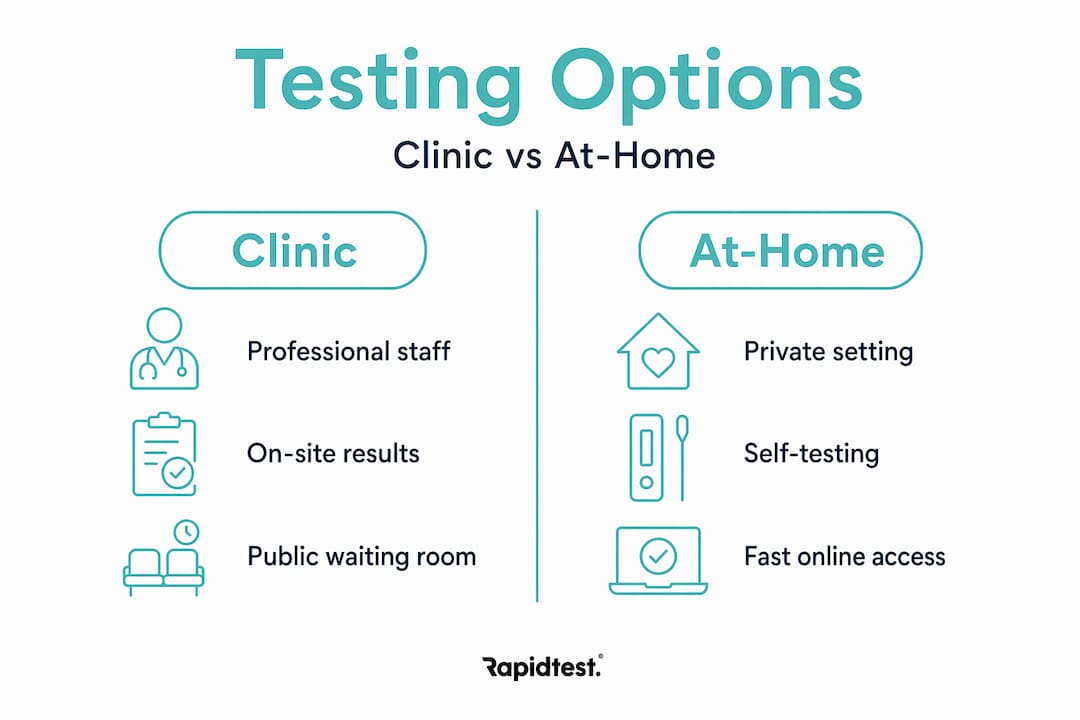
One thing worth knowing: lab results alone don’t diagnose. Clinical context matters. If you receive a positive result, especially for something like HIV or syphilis, speaking with a healthcare professional is the right next step, even if that conversation feels daunting.
What to do before and after your test
Getting the test done is only part of the picture. How you prepare and what you do with your results matters just as much.
Before testing:
- Choose the right test for your situation. If you’ve had unprotected sex recently, a broad STI panel covers more ground than a single test.
- Check the window period. Most STIs take time to show up in test results. Testing too soon after potential exposure can give a false-negative. Check the specific window period for each infection.
- Follow sample collection instructions exactly. This is where accuracy is won or lost. Sample quality directly affects whether your result is valid.
After testing:
- If your result is negative, that’s good news. Keep testing regularly if you remain sexually active.
- If your result is positive, don’t panic. Most STIs are treatable, and many are easily managed with a short course of treatment.
- Seek confidential follow-up care. You can contact your GP, an NHS sexual health clinic, or a private provider. You are not obligated to tell anyone until you feel ready and informed.
- Talk to partners when you’re ready. Open communication is part of responsible sexual health, but you can do this at a pace that feels right for you.
- Keep a testing routine going. Sexual health isn’t a one-off. Regular secure health assessments are the foundation of ongoing wellbeing.
My take: confidentiality isn’t a workaround, it’s the point
I’ve spoken with a lot of people who put off STI testing for months, sometimes years, not because they didn’t care about their health, but because the system made them feel exposed. The walk to the clinic. The conversation at reception. The fear of bumping into someone they knew.
What I’ve learned is that privacy isn’t a secondary feature of good sexual healthcare. It’s the thing that makes people actually access care in the first place. When testing feels safe, people do it. When it doesn’t, they don’t, and that’s when things fall through the cracks.
Home testing changed this in a way that surprised even me. It’s not just convenient. It removes the moment where you have to justify yourself to anyone. You test because you want to know. Full stop. That shift in ownership is genuinely significant.
My honest view: if you’ve been putting off testing because the conventional route feels too exposing, at-home testing isn’t cutting corners. It’s using a better tool for the actual problem. And the actual problem was never the test itself. It was always the stigma around asking for one.
— Jack
Test privately with Rapidtest today
If anything in this article has resonated, the next step doesn’t have to be complicated.
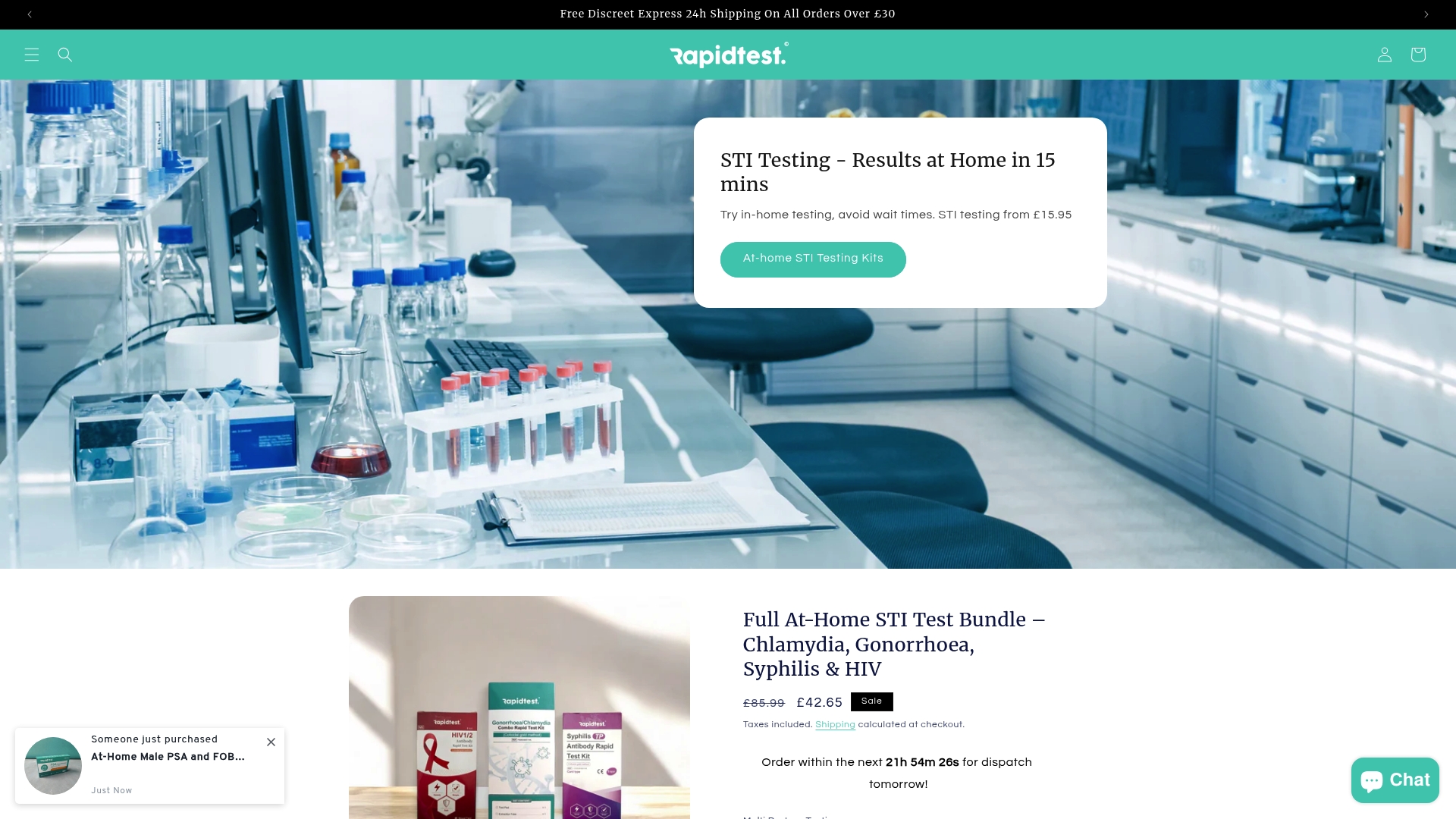
Rapidtest makes confidential health testing straightforward. Our at-home STI testing kits deliver results in 15 minutes, with no appointment, no GP, and no awkward conversations. Everything arrives in plain packaging and your results stay with you. Whether you want to test for a single infection or cover a broader panel, Rapidtest has an option that fits. You can also explore our rapid STI test kits for fast, discreet results whenever you need them. Your health, your privacy, your pace.
FAQ
What does confidential health testing mean?
Confidential health testing means your results are held securely by the provider and are legally protected from disclosure without your consent. In the UK, this applies to both NHS sexual health services and reputable private providers.
Are at-home STI tests as accurate as clinic tests?
Yes, when the sample is collected correctly. Improper sample collection is the main cause of invalid results, not the testing technology itself.
Will my GP be notified if I test for STIs at home?
With private at-home kits like those from Rapidtest, your GP is not automatically notified. Your results are delivered securely to you, not shared with NHS systems.
Can young people access confidential STI testing?
Yes. In the UK, young people have a legal right to confidential sexual health testing. Teens who are aware of their right to independent STI testing are more than twice as likely to get tested.
How do I choose between an at-home kit and a clinic?
If discretion and convenience are your priorities, an at-home rapid test kit is the most private and immediate option. If you need professional support alongside your results, a private clinic or NHS service is the better route.