


When should i take an STI test: 2026 guide
STI testing is the process of screening for sexually transmitted infections through urine, blood, or swab samples, and knowing when to test is just as important as testing at all. If you have symptoms, test immediately. If you have had unprotected sex or a new partner, the right time depends on the specific infection and its window period. This guide cuts through the confusion and gives you clear, risk-based guidance on when should I take an STI test, how often to repeat it, and what to do with your results.
When should i take an STI test?
The short answer: test as soon as symptoms appear, or after the window period has passed following potential exposure. The window period is the gap between infection and when a test can reliably detect it. Testing too early produces false negatives, which can give you a false sense of security.
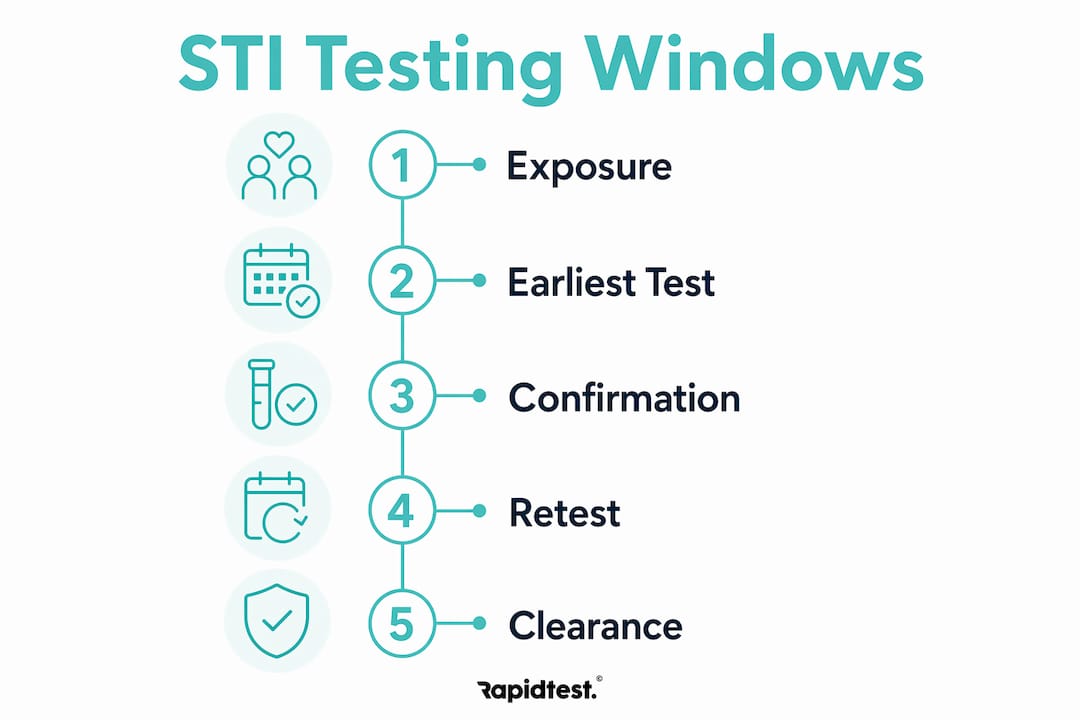
Window periods vary by infection, ranging from two weeks up to three months. That means a test taken the morning after a risky encounter may tell you nothing useful. Knowing the right STI test timing protects both you and your partners.
What are STI testing windows and why do they matter?
A window period is the time between exposure to an infection and when your body produces enough markers for a test to detect it. Every STI has its own window, and testing before it closes almost always produces a false negative.
Here is a quick reference for the most common infections:
| STI | Earliest Reliable Test | Recommended Confirmation |
|---|---|---|
| Chlamydia | 2 weeks after exposure | Retest at 3 months if initial negative |
| Gonorrhoea | 2 weeks after exposure | Retest at 3 months if initial negative |
| HIV (4th generation) | 4–6 weeks after exposure | Confirm at 3 months |
| Syphilis | 3–6 weeks after exposure | Confirm at 3 months |
| Hepatitis B | 6 weeks after exposure | Confirm at 3 months |
HIV fourth-generation tests detect most cases by 4–6 weeks, but a three-month retest is still the gold standard for confirmation. Chlamydia and gonorrhoea are detectable from around two weeks, making them among the faster infections to confirm.
One more thing worth knowing: if you think you have been exposed to HIV, do not wait for a test. PEP must be started within 72 hours of exposure. It is a preventive treatment, not a diagnostic tool, and it can stop infection from taking hold.
Pro Tip: If you test negative but are still within the window period, use protection and retest once the window has closed. A single early negative result does not clear you.
For a deeper explanation of how window periods work, the Rapidtest guide on STI test window periods is worth a read.
Which symptoms mean you should get tested immediately?
Symptoms are your body’s signal that something needs attention. Unusual discharge, sores, or pain during urination all require immediate testing. Delaying when you are symptomatic can cause long-term complications, including pelvic inflammatory disease, infertility, and increased HIV transmission risk.
Here are the signs that mean you should book a test today, not next week:
- Unusual discharge from the penis, vagina, or rectum
- Sores, blisters, or ulcers on or around the genitals, mouth, or anus
- Pain or burning when urinating
- Rashes on the palms, soles, or torso (a classic syphilis sign)
- Swollen lymph nodes in the groin
- Pain during sex or in the lower abdomen
- Itching, redness, or swelling around the genitals
Symptom-driven testing is different from routine screening. Routine screening is planned and scheduled. Symptom-driven testing is urgent. If your symptoms are severe, worsening quickly, or accompanied by fever, contact a GP or sexual health clinic the same day. Do not rely solely on a home test kit when symptoms are acute.
Pro Tip: Many STIs produce symptoms that mimic other conditions, like thrush or a UTI. If your GP treats you for something else but symptoms persist, ask specifically for an STI screen.
The Rapidtest common STI symptoms guide has a full breakdown of what to look out for by infection type.
How often should you get tested based on your risk profile?
Testing frequency is not one-size-fits-all. Sexually active adults should be tested for HIV at least once, with annual or more frequent testing based on risk factors. The right schedule depends on your behaviour, your partners, and how those things change over time.
Here is a practical framework:
-
Annual testing is the baseline for sexually active adults in monogamous relationships who use protection consistently. At minimum, test for HIV, chlamydia, gonorrhoea, and syphilis once a year.
-
Every 3–6 months is the recommendation for men who have sex with men (MSM), people with multiple or new partners, and anyone using PrEP. MSM and PrEP users should test every 3–6 months as a standard guideline, not just when something feels off.
-
Women under 25 should test annually for chlamydia and gonorrhoea regardless of symptoms, since both infections are frequently asymptomatic in this group and can cause silent damage to reproductive health.
-
After any new partner, test before stopping barrier protection, even if you both feel fine. Waiting for symptoms is how infections spread without anyone realising.
-
After a relationship change, such as a break-up, an open relationship, or a new casual partner, reassess your testing schedule. Risk factors should be reassessed regularly as your lifestyle and relationship status change.
The key principle here is that testing frequency is not fixed. It moves with your life. If things change, your schedule should too.
What are the steps to get tested properly?
Getting tested is straightforward once you know the process. Here is how to do it properly, from start to finish.
-
Identify your risk and timing. Work out when the potential exposure happened and check the window period for the relevant infection. If you are still within the window, note when to retest.
-
Choose where to test. You have two main options: a sexual health clinic or a home testing kit. Clinics offer comprehensive panels and clinical support. Home kits from Rapidtest give you results in 15 minutes with no appointment, no queue, and no awkward conversation.
-
Know what samples are needed. Different infections require different tests. Testing type should match your sexual practices. Urine tests cover chlamydia and gonorrhoea for most people. Blood tests are needed for HIV, syphilis, and hepatitis. Swabs from the throat or rectum are required if you have had oral or anal sex.
-
Be honest about your sexual history. This is not about judgement. It is about making sure the right sites are tested. Extragenital infections (oral, rectal) are frequently missed when providers only test urine.
-
Follow up on results. A negative result within the window period is not conclusive. A positive result needs prompt treatment and partner notification. Self-testing kits for HIV, syphilis, chlamydia, and gonorrhoea provide reliable results when used correctly, but a positive home test should always be confirmed by a clinic.
| Testing Option | Pros | Cons |
|---|---|---|
| Sexual health clinic | Full panel, clinical support, free on NHS | Waiting times, less private |
| Home rapid test kit | Private, fast (15 mins), no appointment | Fewer infection types per kit |
| GP referral | Trusted, documented | Slower, may feel less private |
Common mistakes people make about STI testing timing
A lot of people get this wrong, and it is not their fault. STI testing is not taught clearly enough. Here are the most common mistakes to avoid:
- Testing too early. Testing before the window period closes is the most common error. A negative result inside the window means nothing. Wait, then retest.
- Assuming no symptoms means no infection. Routine screening is essential because many STIs are completely asymptomatic. Chlamydia, gonorrhoea, and HIV can all be present with zero signs.
- Thinking one test covers everything. A single urine test does not screen for HIV, syphilis, herpes, or hepatitis. Ask specifically what your test covers.
- Skipping extragenital sites. If you have oral or anal sex and only test urine, you will miss infections in the throat or rectum. Testing extragenital sites is standard best practice depending on your sexual activity.
- Not retesting after a new partner. Many people test once and consider themselves done. Testing is ongoing, not a one-off event.
Preventive testing is the only reliable way to catch asymptomatic infections before they cause harm or spread further.
Key takeaways
The right time to test for STIs is determined by your symptoms, your risk profile, and the window period of the specific infection you may have been exposed to.
| Point | Details |
|---|---|
| Window periods matter | Test too early and you risk a false negative; wait until the window closes for reliable results. |
| Symptoms require urgent action | Discharge, sores, or pain during urination mean test today, not when convenient. |
| Frequency depends on risk | Annual testing suits low-risk adults; every 3–6 months is right for MSM, PrEP users, and those with new partners. |
| One test does not cover all STIs | Always confirm what infections your test screens for and match sample type to your sexual practices. |
| Asymptomatic infections are common | Regular screening catches infections that produce no symptoms and would otherwise go undetected. |
Let’s be real about STI testing
I have spoken to a lot of people who only test when something feels wrong. That approach misses the point entirely. The infections most likely to cause long-term damage, chlamydia, gonorrhoea, HIV in its early stages, are the ones you often cannot feel.
What changed my thinking was understanding that testing is not a reaction to a scare. It is a regular part of looking after yourself, like checking your blood pressure or getting a dental check-up. The stigma around it is the real problem. People delay because they feel embarrassed, or they assume testing means something went wrong. Neither is true.
The other thing I would push back on is the idea that home testing is somehow less serious than a clinic visit. Modern rapid test kits are accurate, private, and genuinely useful for routine screening. They are not a replacement for clinical care when you have symptoms or a positive result, but for regular monitoring they are a practical tool that removes every barrier except the decision to actually do it.
If your risk profile has changed recently, whether that is a new partner, a change in relationship structure, or simply more sexual activity, now is the right time to reassess how often you are testing. Proactive sexual health screening is not about fear. It is about staying in control.
— Jack
Test at home with Rapidtest: fast, private, and reliable
You should not have to choose between your privacy and your health. Rapidtest offers at-home STI testing kits that give you results in 15 minutes, with no GP referral, no clinic queue, and no awkward conversations.
Whether you want to screen for HIV with a rapid HIV home test that is 99.8% accurate, or check for syphilis from the comfort of your own home, Rapidtest has you covered. Each kit comes with clear instructions and delivers results you can trust. Testing regularly has never been this straightforward.
FAQ
How soon can you test for an STI after exposure?
The earliest reliable testing time depends on the infection. Chlamydia and gonorrhoea are detectable from around two weeks, while HIV fourth-generation tests are most reliable at 4–6 weeks, with confirmation at three months.
What are the signs you need an STI test right away?
Unusual discharge, genital sores, pain when urinating, or a rash on the palms or torso all require immediate testing. Do not wait for symptoms to worsen before acting.
How often should i test for stis if i have multiple partners?
Testing every 3–6 months is the standard recommendation for people with new or multiple partners, MSM, and PrEP users. Annual testing is the minimum for all sexually active adults.
Does a negative STI test mean i am definitely clear?
Not if you tested within the window period. A negative result is only conclusive once the window for each infection has closed. Retest at three months if there is any doubt.
Can i use a home test kit instead of going to a clinic?
Yes, for routine screening. Rapidtest home kits for HIV, syphilis, chlamydia, and gonorrhoea are accurate and deliver results in 15 minutes. If you have symptoms or receive a positive result, follow up with a sexual health clinic for confirmation and treatment.