


STI test workflow: your step-by-step guide for 2026
A guide to STI test workflow describes the organised process of preparing for, collecting samples, and interpreting results to reach an accurate diagnosis. The clinical term for this process is an STI screening pathway, and understanding it removes a lot of the guesswork that stops people from testing regularly. Many STIs are asymptomatic, meaning you can carry and pass on an infection without knowing it. That is why following a clear, structured workflow matters so much. Whether you are testing at a clinic or at home, the steps are the same: prepare properly, collect correctly, and act on your results.
What does a guide to STI test workflow actually cover?
A structured STI testing workflow has three stages: preparation, sample collection, and result interpretation. Each stage has specific steps that affect the accuracy of your result. Skip a step, and you risk a false negative or a delayed diagnosis. The good news is that once you know the process, it takes very little time.
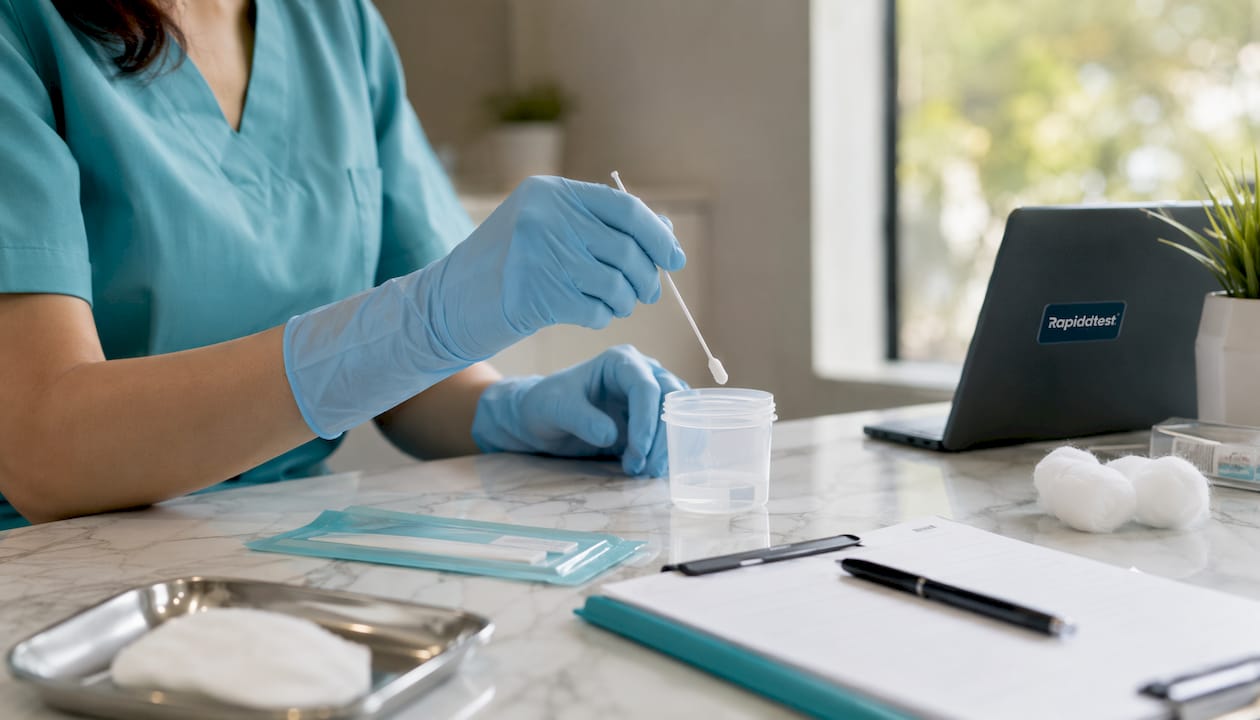
What to prepare before you test
Preparation is the stage most people skip, and it is the one that causes the most problems. Before you test, gather the following:
- Your sexual history. Note the date of your last potential exposure, the type of sexual contact (oral, vaginal, anal), and any symptoms you have noticed.
- The window period for each STI. Window periods vary significantly by infection: gonorrhoea is detectable within 1–14 days, chlamydia within 7–21 days, HIV (4th generation test) within 18–45 days, syphilis within 3–6 weeks, and herpes within 12–16 weeks. Testing before these windows close produces unreliable results.
- Your test type. Confirm whether your kit or clinic tests for the specific infections you are concerned about. Not all panels cover every STI.
- Insurance or payment details if you are attending a clinic.
Pro Tip: Be completely honest with your healthcare provider about your sexual practices. Providers are not there to judge you. The more accurate your history, the more targeted your test panel will be.
Understanding window periods is the single most important part of STI test preparation. Testing too early is the leading cause of false negatives, and a false negative can give you a false sense of security at exactly the wrong moment.
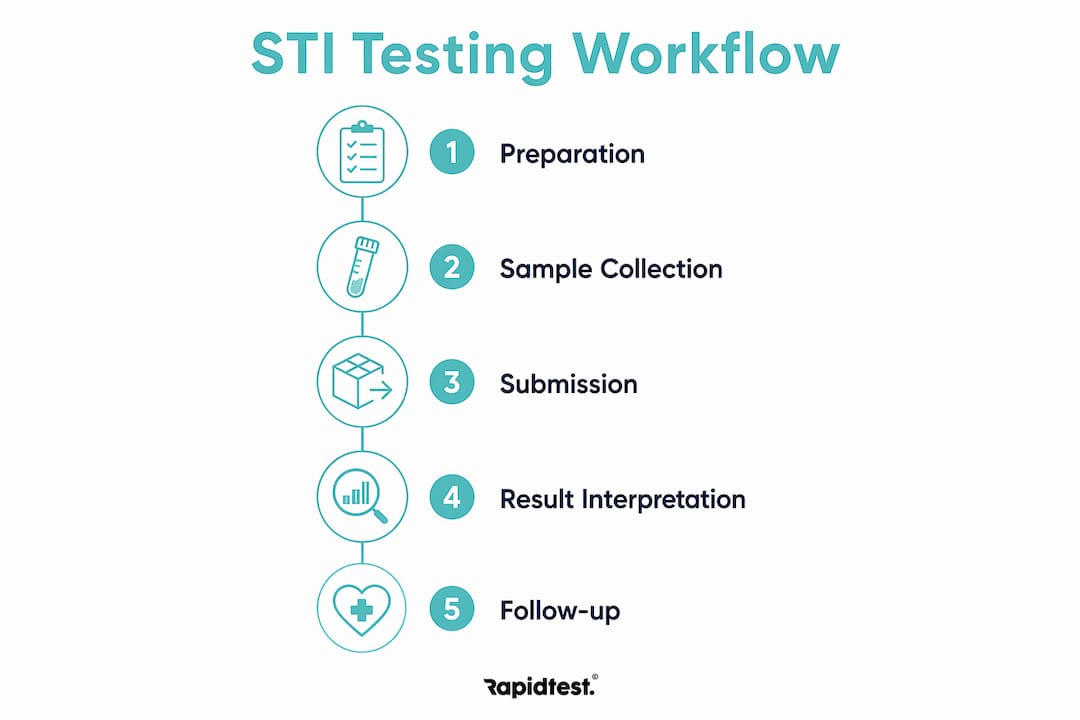
How do you collect samples correctly for STI testing?
Sample collection is where accuracy is won or lost. The method depends on the infection you are testing for and the body sites involved in your sexual activity. Urine alone does not detect all infections. Throat and rectal swabs are necessary if you have had oral or anal sex.
Here is a step-by-step overview of the main collection methods:
- Urine sample. Used for chlamydia and gonorrhoea. Do not urinate for at least one hour before collecting. Use the first catch of urine, not midstream, for the highest concentration of pathogens.
- Vaginal or penile swab. Swab the inside of the vaginal canal or the tip of the urethra. Follow the kit instructions on how far to insert and how long to rotate the swab.
- Rectal swab. Insert the swab approximately 2–3 centimetres into the rectum and rotate gently. This is the only reliable way to detect rectal gonorrhoea or chlamydia.
- Throat swab. Swab the back of the throat and tonsils firmly. This detects pharyngeal gonorrhoea, which is frequently missed when only urine is tested.
- Blood sample. Required for HIV, syphilis, and herpes. At-home kits use a finger-prick lancet to collect a small blood drop onto a test strip or into a collection tube.
Self-testing vs. self-collection: what is the difference?
Self-tests and self-collection kits are not the same thing. A self-test gives you an instant result at home, typically within 15 minutes. A self-collection kit requires you to post your sample to a laboratory, which then processes it and sends you the result. Both have their place in a good STI testing workflow, but they serve different needs.
Pro Tip: Store your collected sample at room temperature and post it on the same day you collect it. Heat and delays degrade samples and can produce inaccurate results.
Comprehensive testing must match the body sites exposed, the infections you are at risk for, and the timing since your last exposure. A generic panel tested at the wrong time from the wrong site tells you very little.
What happens after you submit your sample?
Once your sample is collected, the processing stage begins. For at-home self-tests, results appear on the test strip within 15 minutes. For laboratory-processed samples, turnaround times vary. Most postal kits return results within 2–5 working days, though high-demand periods can extend this.
FDA-approved self-tests exist for HIV and syphilis. Other infections, including chlamydia and gonorrhoea, currently require laboratory analysis even when collected at home. This is worth knowing before you choose your kit.
A positive screen is not a confirmed diagnosis. Positive results from rapid or self-collection tests often require a confirmatory laboratory test before treatment begins. Act on a positive result promptly, but wait for confirmation before drawing conclusions.
Here is what each result type means and what to do next:
- Negative result. You did not test positive for the infections covered by the panel. If you tested within a window period, retest once the window has closed.
- Positive result. Confirmatory testing is often required before treatment starts. Contact a healthcare provider as soon as possible. Most bacterial STIs, including chlamydia and gonorrhoea, are treatable with antibiotics.
- Inconclusive result. The test could not produce a clear reading. This usually means the sample was insufficient or degraded. Retest with a fresh sample.
Retesting is a normal part of the STI screening pathway, not a sign that something went wrong. Routine screening as preventive healthcare means testing regularly, not just when you have symptoms.
What are the most common mistakes in STI testing workflows?
Most errors in the STI testing process are avoidable. Knowing where things go wrong helps you sidestep them entirely.
- Testing too early. False negatives occur when testing before pathogen markers appear. If you had a potential exposure yesterday, wait until the relevant window period has passed.
- Testing only one body site. If you have had oral or anal sex, a urine-only test will miss pharyngeal and rectal infections. Test every site that was exposed.
- Contaminating the sample. Touching the swab tip, using expired collection tubes, or delaying postage all compromise results. Follow the instructions exactly.
- Skipping follow-up. A negative result during a window period is not a green light. Schedule a retest once the window closes.
- Not informing partners. A positive result means recent partners may also be infected. Most sexual health services offer anonymous partner notification support.
Pro Tip: Use a step-by-step at-home guide the first time you test at home. It takes five minutes to read and prevents the most common collection errors.
Integrating STI screening into a routine reduces the chance of infections falling through the cracks. Treat it the same way you treat a dental check-up: regular, unremarkable, and worth doing.
Key takeaways
A complete STI testing workflow covers preparation, sample collection, processing, and result follow-up. Skipping any stage increases the risk of a false negative or a missed diagnosis.
| Point | Details |
|---|---|
| Respect window periods | Test too early and you risk a false negative. Wait the full window period for each STI before testing. |
| Match sites to activity | Urine alone misses throat and rectal infections. Test every body site involved in your sexual activity. |
| Know your test type | Self-tests give instant results; self-collection kits need lab processing. Choose based on what you need. |
| Act on positives promptly | Positive rapid results need confirmatory testing before treatment. Contact a provider the same day. |
| Test routinely, not just reactively | Many STIs have no symptoms. Regular screening is the only reliable way to know your status. |
My honest take on STI testing in 2026
People talk about STI testing as though it is something you do in a crisis. I think that framing does real harm. The most useful shift I have seen is when people start treating STI screening the same way they treat checking their blood pressure: quietly, regularly, and without drama.
The technology has genuinely caught up with that mindset. At-home rapid tests for HIV and syphilis now deliver results in 15 minutes with accuracy rates that hold up clinically. That removes the two biggest barriers I hear about: the wait and the awkwardness of a clinic appointment. But technology only helps if you use it correctly. The number of people who test during a window period and then assume they are clear is genuinely concerning. A negative result before the window closes means nothing.
My advice is to combine at-home testing for convenience with an annual proactive sexual health review with a provider who can look at your full picture. At-home tests are fast and private. A provider catches what a single panel misses. You do not have to choose between the two.
The stigma around STI testing is fading, slowly but noticeably. The people I see getting it right are the ones who have stopped treating a test as a confession and started treating it as maintenance. That shift in thinking is the most important part of any workflow.
— Jack
At-home STI testing kits from Rapidtest
Rapidtest offers a range of rapid at-home STI kits that deliver results in 15 minutes, with no lab visit or appointment required. Kits cover common infections including HIV and syphilis, with accuracy rates that meet clinical standards.
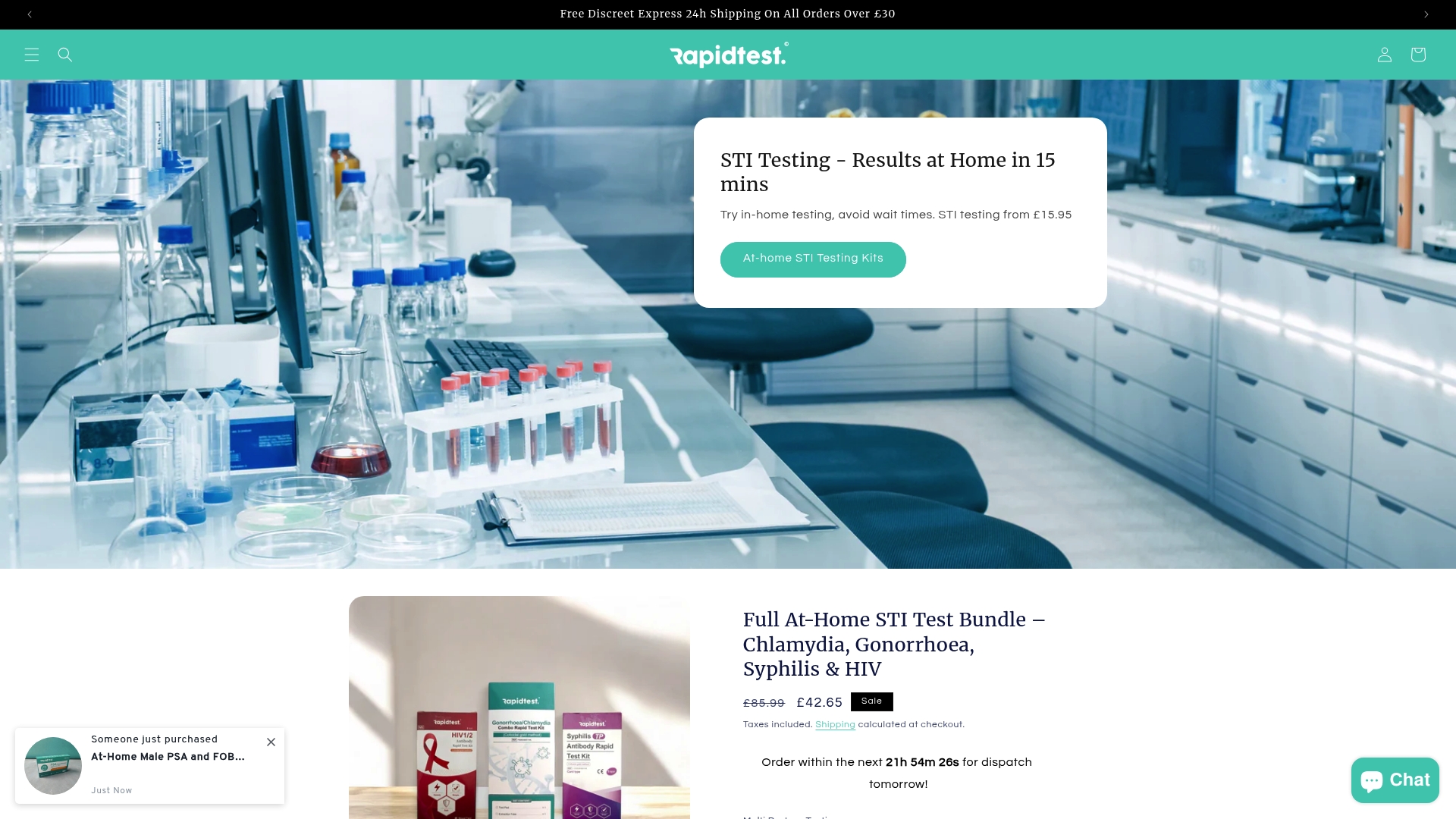
Testing at home means no queues, no waiting rooms, and no awkward conversations. You collect your sample privately, follow the clear instructions, and read your result in the time it takes to make a cup of tea. For people who want to test for HIV at home or check their syphilis status discreetly, Rapidtest kits are a practical, affordable option that fits into any testing workflow.
FAQ
What is the STI testing window period?
The window period is the time between exposure and when a test can reliably detect an infection. It varies by STI: gonorrhoea is detectable within 1–14 days, HIV within 18–45 days, and syphilis within 3–6 weeks.
How do self-tests differ from self-collection kits?
A self-test gives you an instant result at home, usually within 15 minutes. A self-collection kit requires you to post your sample to a laboratory, which processes it and returns your result within a few days.
Do I need to test multiple body sites?
Yes, if your sexual activity involved oral or anal contact. Urine alone does not detect throat or rectal infections. Testing only the sites relevant to your activity is a recognised best practice in STI screening.
What should I do if my result is positive?
Contact a healthcare provider promptly. Positive results from rapid or at-home tests often require a confirmatory laboratory test before treatment begins. Most bacterial STIs are treatable with a short course of antibiotics.
How often should I get tested for STIs?
Frequency depends on your number of partners and sexual practices. The CDC recommends at least annual testing for sexually active people, with more frequent screening for those with multiple or new partners.