


Key health screenings for men: your 2026 guide
Preventive health screenings are the single most effective tool men have for catching serious conditions before they cause damage. The key health screenings for men target the conditions most likely to kill or disable you quietly: heart disease, prostate cancer, colorectal cancer, and diabetes. Heart disease is the leading cause of death among men, yet most of its risk factors show no symptoms until something goes wrong. Getting screened is not about being anxious. It is about being informed.
1. What are the key cancer screenings men should have?
Cancer screenings save lives precisely because cancer rarely announces itself early. The screenings below cover the cancers most likely to affect men aged 30–65.
Prostate cancer
The PSA (prostate-specific antigen) blood test measures a protein produced by the prostate gland. Elevated levels can signal cancer, infection, or enlargement. 1 in 8 men will be diagnosed with prostate cancer during their lifetime. That figure makes PSA testing one of the most consequential decisions you can make for your long-term health. Black men face a higher risk: prostate cancer develops 3 to 9 years earlier in this group, so baseline PSA discussions should start in the early 40s. For men at average risk, most guidelines recommend starting the conversation with your GP at 50.
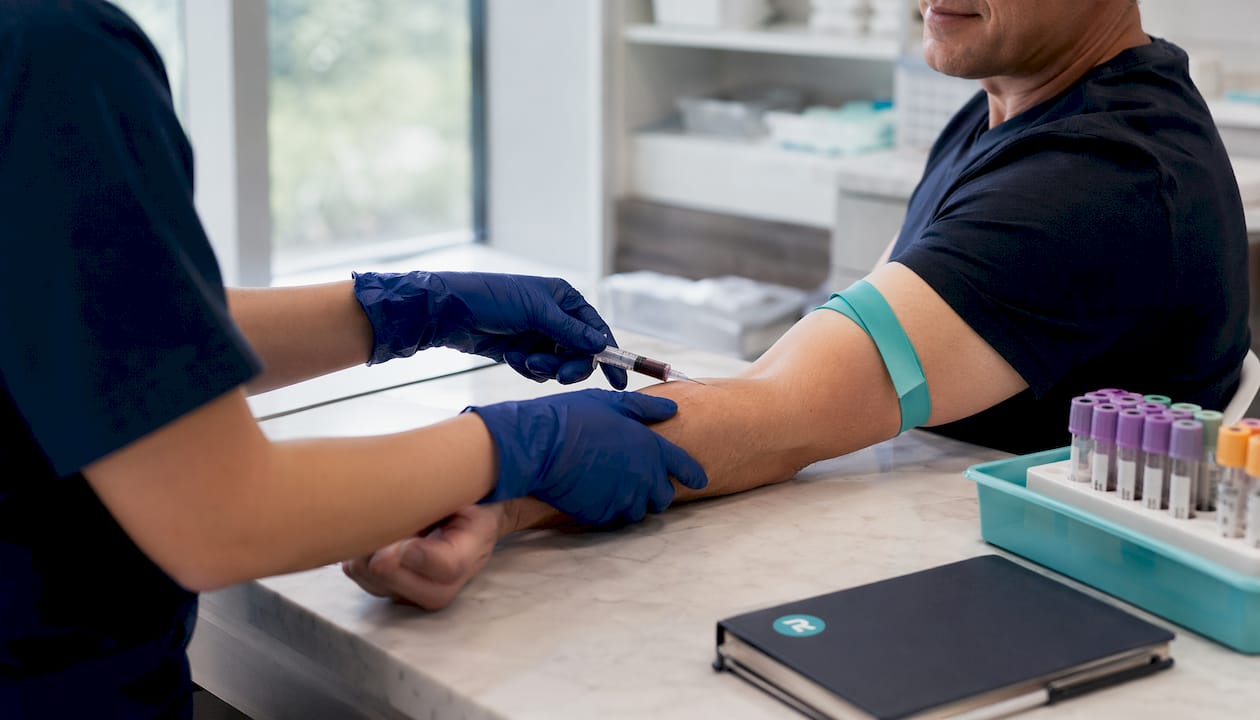
Pro Tip: Talk to your GP about your PSA baseline before symptoms appear. A single reading means little. A trend over several years tells the real story. Read the full prostate cancer testing checklist for men over 40 to prepare.
Colorectal cancer
Men at average risk should begin colorectal cancer screening at age 45, with a colonoscopy every 10 years if results are normal. Stool-based tests such as the faecal occult blood (FOB) test are an alternative for those who prefer a less invasive option. The FOB test checks for hidden blood in your stool, which can be an early sign of bowel cancer. If you have a first-degree relative diagnosed with colorectal cancer, your GP may recommend starting earlier.
Lung cancer
Annual low-dose CT lung cancer screening is recommended for adults aged 50–80 with a 20 pack-year smoking history who currently smoke or have quit within the past 15 years. A pack-year equals smoking one pack daily for one year. This means 20 years of a pack a day, or 10 years of two packs a day, both qualify. If you meet these criteria, this annual scan is non-negotiable.
Skin cancer
Skin cancer exams become more important from age 40 onwards, particularly for men with a history of prolonged sun exposure or a family history of melanoma. Annual full-body skin checks by a dermatologist are the standard recommendation. Between appointments, check your own skin monthly for new or changing moles.
| Cancer type | Recommended start age | Frequency |
|---|---|---|
| Prostate (PSA) | 50 (40s for high-risk) | Discuss with GP |
| Colorectal | 45 | Every 10 years (colonoscopy) |
| Lung (low-dose CT) | 50 (if smoking criteria met) | Annually |
| Skin | 40 | Annually |
2. Which heart health checks are critical for men aged 30–65?
Cardiovascular disease builds silently over decades. Preventive care builds a data baseline that allows detection of deviations in blood pressure, cholesterol, or blood sugar before disease takes hold. The earlier you establish that baseline, the more useful it becomes.
Blood pressure
High blood pressure has no symptoms. You can feel perfectly well and still be at serious risk. Annual blood pressure checks are the minimum. If your reading is consistently above 130/80 mmHg, your GP will likely recommend more frequent monitoring and lifestyle changes.
Cholesterol
A lipid profile measures your total cholesterol, LDL (low-density lipoprotein), HDL (high-density lipoprotein), and triglycerides. Men with no risk factors should have this checked every 4–6 years from age 35. Men with risk factors such as obesity, smoking, or a family history of heart disease need it more often. Your GP decides the frequency based on your results and risk profile.
Blood sugar and diabetes
Diabetes and prediabetes are directly linked to heart disease risk. A fasting blood glucose or HbA1c test screens for both. Men with a healthy weight and no risk factors should start screening at 45. Men who are overweight or have high blood pressure should start earlier. Clinicians tailor diabetes and heart disease screening frequency based on obesity, blood pressure, and family history, often diverging from generic templates.
BMI and waist circumference
Body mass index and waist circumference are quick, low-tech indicators of cardiovascular risk. A waist measurement above 94cm for men signals increased risk. These are not diagnostic tools, but they flag when deeper investigation is warranted.
Key cardiovascular checks to monitor regularly:
- Blood pressure (annually as a minimum)
- Lipid profile (every 4–6 years, or more often with risk factors)
- Fasting blood glucose or HbA1c (from age 45, or earlier with risk factors)
- BMI and waist circumference (at every annual physical)
- Resting heart rate and ECG if symptoms arise
Pro Tip: Book your heart health checks alongside your annual physical. Combining them into one appointment means you are less likely to let them slip. Your GP can run most of these from a single blood draw.
3. What general preventive exams should men prioritise?
Cancer and heart health get most of the attention, but a thorough preventive care plan covers more ground than that.
Annual physical and blood work
Annual primary care visits are a crucial gateway for blood work that screens for metabolic and kidney disorders. A standard blood panel measures white and red blood cell counts, kidney function, liver enzymes, and lipids. This single appointment gives your GP a comprehensive snapshot of your health. Think of it as your annual MOT.
STI screening
STI screenings should be based on sexual activity and risk, and are recommended annually for sexually active men. Standard STI testing covers chlamydia, gonorrhoea, and syphilis. Many men skip this because it feels awkward. The reality is that STIs including HIV often show no symptoms for months or years. Regular testing is straightforward and private. Rapidtest offers at-home STI testing kits with results in 15 minutes, no GP appointment needed. You can also find practical guidance on sexual health screening for adults over 30.
Mental health screening
Mental health screening is now considered part of standard preventive care. Depression and anxiety affect a significant number of men, yet most go undiagnosed because men are less likely to report symptoms. A simple questionnaire at your annual physical can open the door to support if you need it.
Bone density
Men over 50, particularly those who smoke, drink heavily, or take long-term corticosteroids, face a real risk of osteoporosis. A DEXA scan measures bone density and takes around 10 minutes. It is not routinely offered to all men, but it is worth discussing with your GP if you have risk factors.
| Test | Recommended age | Frequency |
|---|---|---|
| Annual physical and blood work | From 30 | Annually |
| STI screening | Sexually active adults | Annually |
| Mental health screening | From 30 | Annually or as needed |
| Bone density (DEXA) | 50+ with risk factors | Every 2 years |
| Vaccinations (flu, tetanus, shingles) | Age-dependent | Per NHS schedule |
Pro Tip: Your family history is one of the most powerful tools your GP has. Write it down before your appointment: conditions your parents and siblings have had, at what age, and any relevant outcomes. That information directly shapes which tests you need and when.
4. How do personal risk factors change your screening schedule?
Screening guidelines are dynamic and tailored based on lifestyle factors like smoking or obesity, which affect both the frequency and the starting age of many tests. A generic schedule is a starting point, not a final answer.
Race is one of the clearest examples. Black men face a significantly higher risk of prostate cancer and should begin PSA discussions in their early 40s, not at 50. Family history works similarly. If your father or brother had colorectal cancer before age 60, your GP will likely recommend starting your own screening a decade earlier than the standard age of 45.
Smoking history determines lung cancer screening eligibility through the pack-year calculation. Obesity and high blood pressure push diabetes and cholesterol screening to earlier ages and higher frequencies. These are not arbitrary adjustments. They reflect the reality that risk is not evenly distributed.
Over 18% of men do not seek any medical care in a given year, often because they feel well. Feeling well is not the same as being well. Silent conditions like hypertension, high cholesterol, and early-stage cancer produce no symptoms until they are well advanced.
Questions to prepare before your next GP appointment:
- Does my family history change when I should start any screenings?
- Am I at higher risk for any condition based on my ethnicity?
- Does my smoking or drinking history affect my screening schedule?
- Are there any tests I should be having more frequently than the standard guidelines suggest?
- What lifestyle changes would reduce my risk enough to change my screening frequency?
Men must proactively maintain and share accurate family and personal health histories with their clinicians to enable targeted screening recommendations. Keep a simple document with this information and bring it to every appointment.
Key takeaways
The most effective approach to men’s preventive health is a personalised, age-stratified screening plan that combines cancer checks, cardiovascular monitoring, and general health tests, adjusted for your individual risk factors.
| Point | Details |
|---|---|
| Start cancer screenings early | PSA discussions from 40s for high-risk men; colorectal screening from 45 for all men. |
| Heart checks need a baseline | Annual blood pressure and cholesterol tests create the data trend your GP needs to act early. |
| Risk factors change everything | Smoking, obesity, race, and family history all shift when and how often you need specific tests. |
| STI and mental health count | Annual STI testing and mental health screening are standard preventive care, not optional extras. |
| Home testing fills the gaps | At-home kits for PSA and STI screening help you stay on top of health between GP visits. |
Why I think most men are playing catch-up with their health
The uncomfortable truth is that most men I speak to have not had a full blood panel in years. They are not lazy or reckless. They are busy, and they feel fine, so health checks fall to the bottom of the list. The problem is that the conditions most likely to kill men in their 50s and 60s spend years building quietly in the background.
Heart disease does not send a warning letter. Prostate cancer rarely causes pain in its early stages. Colorectal cancer can develop for a decade before it becomes obvious. The men who catch these things early are not lucky. They are the ones who showed up for a routine appointment when nothing felt wrong.
What I find genuinely useful is treating the annual physical as a non-negotiable appointment, the same way you would treat a car service. You do not wait for the engine to fail before you check the oil. The same logic applies here. Primary care visits should be viewed as mandatory annual health checkpoints, not something you do when you are already worried.
The other thing worth saying: knowing your numbers is not the same as being anxious about them. Understanding your blood pressure trend, your PSA baseline, and your cholesterol level puts you in control. That is not a burden. It is clarity.
— Jack
Rapidtest: at-home health tests built for men
Knowing which tests you need is half the battle. Getting them done is the other half.
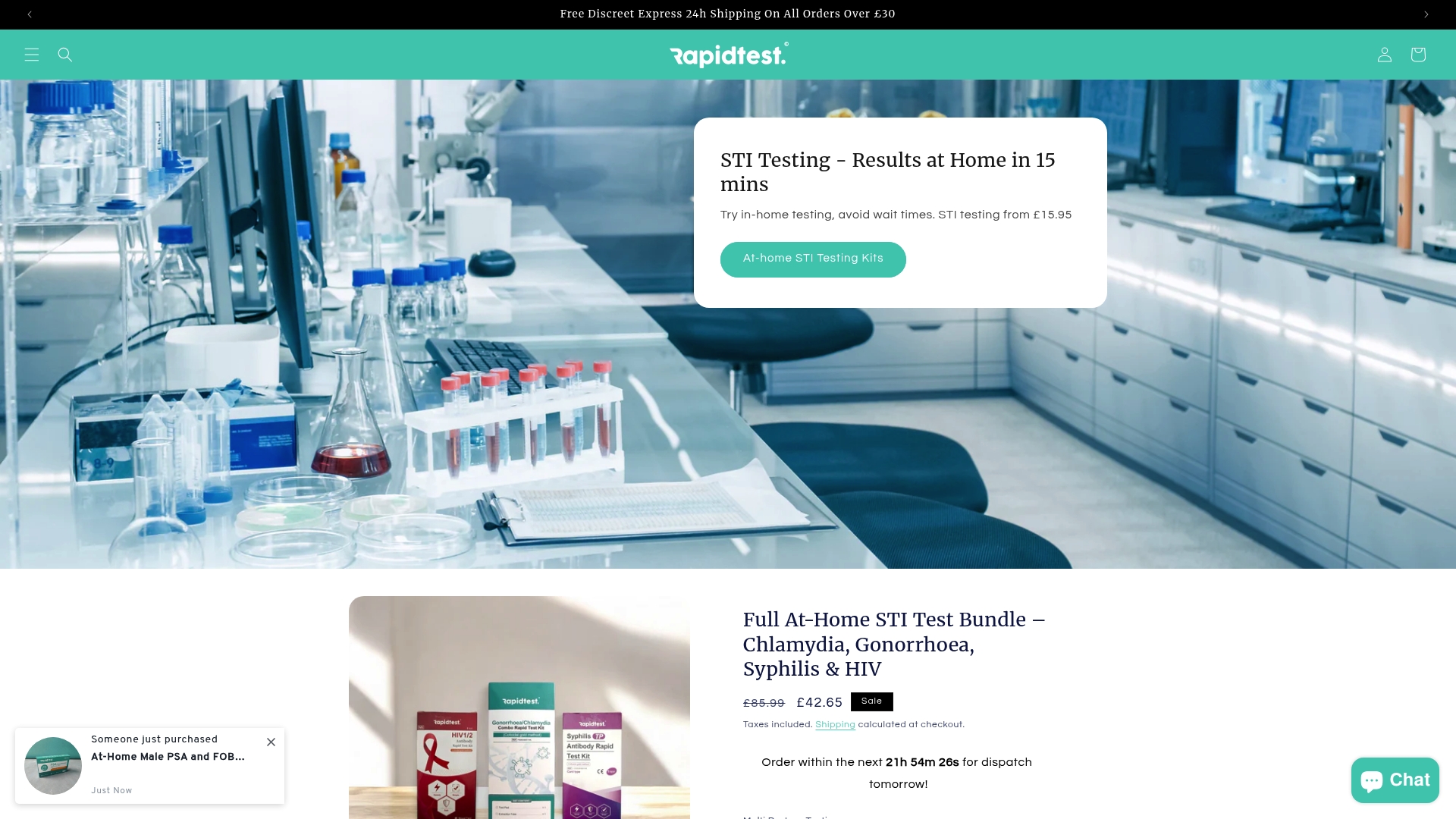
Rapidtest offers a range of at-home health test kits designed specifically for men who want fast, private results without the wait. The PSA rapid test kit gives you a prostate health reading at home in 15 minutes. If you are due for STI screening, the at-home STI kits cover the key infections with the same speed and privacy. For men over 35 who want a broader picture, the Men’s 35+ Full Health MOT Bundle covers multiple screening markers in one kit. No queues, no awkward conversations, and results you can act on the same day.
FAQ
What are the most important health screenings for men over 40?
The most important preventive health exams for men over 40 include blood pressure checks, cholesterol and blood sugar tests, PSA testing for prostate health, and colorectal cancer screening from age 45. Skin and STI checks should also be part of your annual routine.
How often should men get screened for prostate cancer?
PSA testing frequency depends on your baseline result and risk profile. Black men and those with a family history of prostate cancer should begin discussions with their GP in their early 40s. Men at average risk typically start at 50, with frequency determined by their GP.
Can men do health screenings at home?
Yes. At-home rapid test kits cover PSA levels, STIs including HIV and syphilis, and fertility markers. Rapidtest kits deliver results in 15 minutes and are designed to complement, not replace, your regular GP appointments.
When should men start colorectal cancer screening?
Men at average risk should start colorectal cancer screening at age 45, with a colonoscopy every 10 years if results are normal. Men with a family history of bowel cancer may need to start earlier.
Does smoking affect which health screenings I need?
Yes. Annual low-dose CT lung cancer screening is recommended for adults aged 50–80 with a 20 pack-year smoking history. Smoking also affects the frequency of heart disease and diabetes screening, so tell your GP your full smoking history.