


What is a multi-disease test kit? Your guide to at-home screening
If you’ve heard about multi-disease test kits and wondered whether they can actually diagnose you with something serious, you’re not alone. That’s one of the most common misconceptions floating around. A multi-disease test kit is a screening tool, not a doctor’s verdict. It analyzes one sample and checks for multiple conditions at the same time, giving you a useful health snapshot you can act on. This guide breaks down exactly how they work, what types exist, and how to use them wisely as part of a proactive approach to your health.
Table of Contents
- Understanding multi-disease test kits: What they are and how they work
- Different types of multi-disease kits and their intended uses
- Interpreting results and the role of multi-disease test kits in proactive health care
- How multi-disease test kits fit into broader health screening frameworks
- Practical tips for choosing and using multi-disease test kits at home
- A realistic view: What multi-disease test kits can and can’t do for your health
- Explore reliable at-home multi-disease test kits with RapidTest
- Frequently asked questions
Key Takeaways
| Point | Details |
|---|---|
| Multi-disease kits screen multiple conditions | They analyze one sample for several diseases but are not diagnostic tests. |
| Positive results need follow-up | A screening kit’s positive result means you should see a healthcare provider for confirmation. |
| Different kit types exist | Some test for infections, others for cancer signals or health biomarkers. |
| Complement, don’t replace screenings | These kits add value but don’t substitute established screening tests. |
| Choose kits carefully | Review the kit’s intended use and follow instructions strictly for accurate results. |
Understanding multi-disease test kits: What they are and how they work
So what actually is a multi-disease test kit? At its core, it’s a kit that takes a single sample, whether that’s blood, saliva, or a swab, and screens it for several different conditions simultaneously. Instead of booking three separate tests and waiting weeks for results, you get one kit, one sample, and one set of answers.
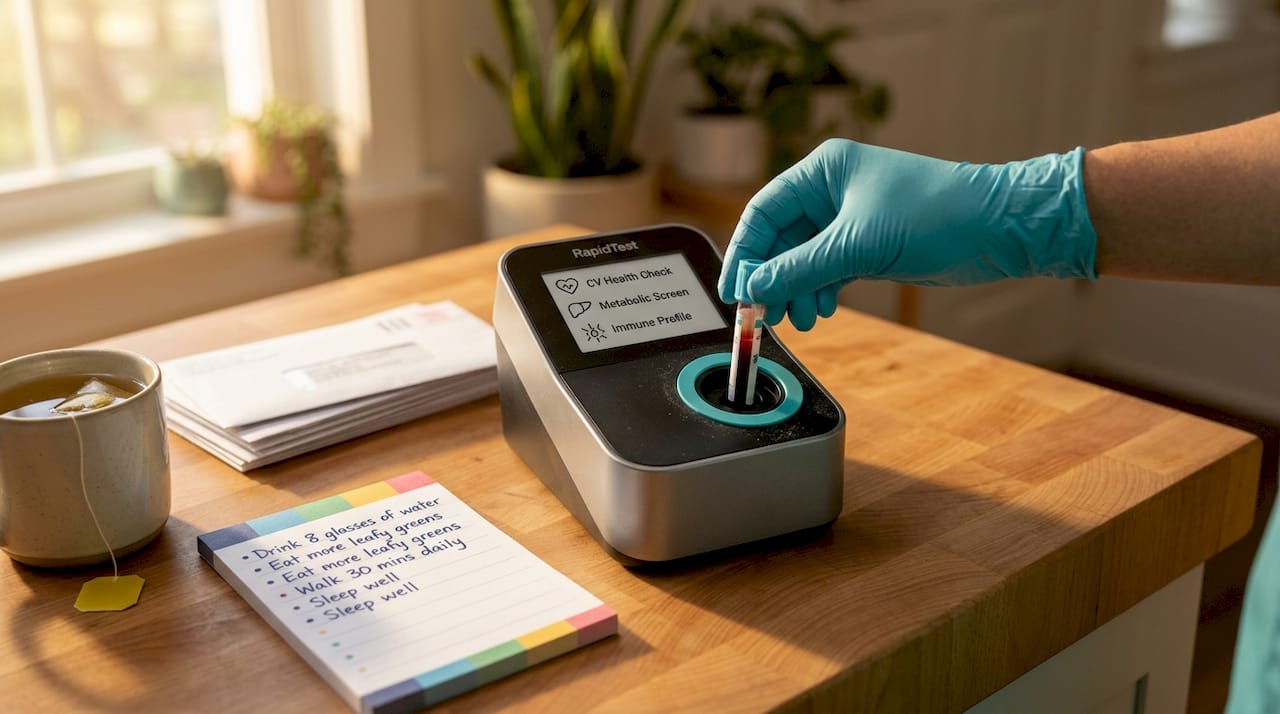
The science behind this is called multiplex technology. Think of it like running several searches at once instead of one at a time. A standard test looks for one thing. A multiplex assay looks for several, using the same sample without any loss in accuracy. Some at-home kits also use a method called rRT-PCR (real-time reverse transcription polymerase chain reaction), which is a way of amplifying tiny genetic signals so the kit can detect multiple viruses in one go.
These kits are designed with everyday convenience in mind. You don’t need lab training, clinical skills, or a medical degree. The instructions are clear, the sample process is simple, and results typically come back within 15 to 30 minutes.
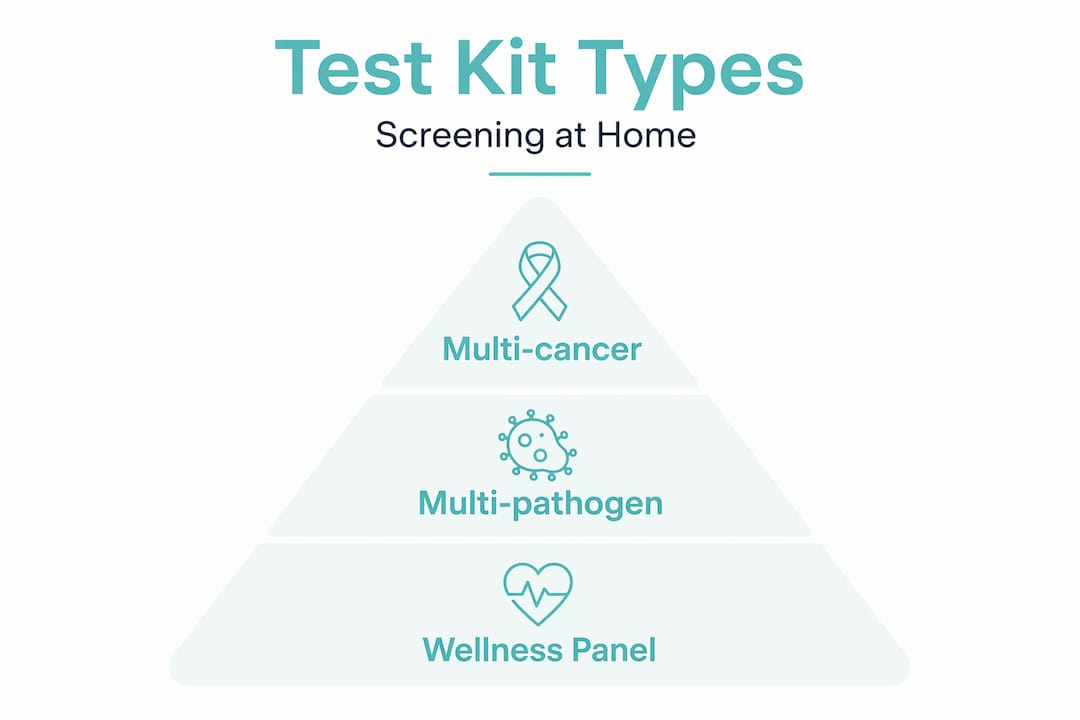
Here’s a quick breakdown of the main types you’ll come across:
- Multi-pathogen kits: Screen for several infectious diseases, like flu and COVID-19, from one nasal or throat swab
- Multi-cancer detection tests: Blood-based screens that look for signals associated with multiple cancers
- Multi-biomarker wellness panels: Blood tests that check a wide range of health markers in one draw, covering everything from liver function to thyroid health
If you’re new to at-home testing in general, self-testing kits explained is a solid place to start before going further.
Different types of multi-disease kits and their intended uses
Not all multi-disease screening tests are built the same. The type of kit you choose depends entirely on what you’re trying to understand about your health.
Multi-pathogen kits are probably the most familiar. These are the kits that became household items during the pandemic. They target infectious diseases like influenza A, influenza B, and SARS-CoV-2 from a single swab. They’re fast, accessible, and genuinely useful when you feel run-down and need to know what you’re dealing with.
Multi-cancer detection tests are a newer category and worth knowing about. These are blood-based screens that look for DNA or protein signals that could indicate the presence of cancer. The key word here is could. These tests don’t diagnose cancer. A positive result means further clinical investigation is needed, not that you have a definitive diagnosis. They’re remarkable tools for early awareness, but they work best when you understand their limits.
Multi-biomarker wellness panels are the all-rounders. A single blood draw can assess cardiometabolic health, thyroid function, liver and kidney markers, and nutrient status in one go. These are especially popular with people who want a general picture of how their body is functioning, not just whether they have a specific illness.
Here’s a comparison to help you see the differences at a glance:
| Kit type | Sample needed | What it screens | Result meaning |
|---|---|---|---|
| Multi-pathogen | Nasal/throat swab | Flu, COVID-19, RSV | Indicates active infection; may need confirmation |
| Multi-cancer detection | Blood | Signals for multiple cancer types | Flags potential risk; requires clinical follow-up |
| Multi-biomarker wellness | Blood | Hormones, organs, nutrients | Highlights imbalances; best discussed with a GP |
Pro Tip: If you’re choosing between kits, match the kit to your concern. Feeling unwell? Go pathogen. Want a general annual health check? Look at wellness panels or at-home wellness tests that cover multiple markers in one go.
Men especially tend to delay health checks until something goes wrong. If that sounds familiar, the top private screening kits for men covers exactly what to consider.
Interpreting results and the role of multi-disease test kits in proactive health care
Here’s where people sometimes get tripped up. You get a result back, it flags something, and suddenly you’re spiraling. Take a breath. A positive screening result is not a diagnosis. It’s a signal worth investigating.
Multi-disease tests estimate disease risk. They’re designed to catch things that might otherwise go unnoticed until symptoms appear, often much later. That’s genuinely valuable. But they’re the first step in a process, not the final word.
“A positive result on a multi-cancer detection test means further testing is needed to determine whether cancer is actually present. It does not mean you have cancer.” — American Cancer Society
Think of it this way. A screening test is like a smoke alarm. It tells you something might be wrong and you need to investigate. It doesn’t tell you where the fire is or how bad it is. That part requires a professional.
Here’s how to use your results sensibly:
- A negative result is reassuring but not a guarantee. Screening tools have limitations and don’t catch everything.
- A positive result means you should contact your GP or a private clinic for confirmatory testing. Don’t self-diagnose, and don’t ignore it either.
- Borderline or flagged markers on a wellness panel are worth discussing with a healthcare professional, especially if they appear alongside symptoms.
Pro Tip: Write down your results, note the date you tested, and bring the kit information sheet to your GP appointment. It saves time and helps them understand exactly what was tested.
If you’re a man over 40 and wondering how this fits into your regular health routine, the at-home health check guide for men over 40 is worth a read.
How multi-disease test kits fit into broader health screening frameworks
Multi-disease diagnostic tools are useful, but they work best when they sit alongside, not instead of, the standard screening programs already recommended for your age group.
In the UK and across Europe, established screening programs cover:
- Breast cancer screening via mammogram, typically offered to women aged 50 to 71
- Cervical cancer screening via smear test, starting at age 25
- Colorectal cancer screening via bowel scope or fecal testing, often from age 50 to 60
- Prostate health monitoring via PSA (prostate-specific antigen) blood testing for at-risk men
Multi-disease tests complement these screenings but don’t replace them. They’re especially useful in the gaps, for conditions that don’t yet have a national screening program, or for people who want more regular insight between scheduled appointments.
Something worth knowing: an AI-based framework using retinal imaging has emerged as a way to screen for multiple conditions from a single eye scan. It’s not widely available to consumers yet, but it’s a glimpse at where multi-disease screening is heading.
Here’s a practical comparison of the current landscape:
| Approach | Coverage | Cost | Best for |
|---|---|---|---|
| Standard national screenings | Disease-specific | Free (NHS/public health) | Known high-risk conditions by age |
| At-home multi-disease kits | Multiple conditions at once | Low to moderate | Proactive checks, gaps between appointments |
| AI-based screening (emerging) | Multi-condition from one scan | Variable | Future preventive care |
For real examples of what at-home testing looks like in practice, at-home test examples for men over 40 gives a grounded view.
Practical tips for choosing and using multi-disease test kits at home
Choosing the right kit matters. There are a lot of options out there, and not all of them are created equal.
Before you buy, review the kit’s intended use and understand what diseases or markers it actually screens for. “Multi-disease” is a broad label. Some kits are respiratory panels. Others are hormone and organ function panels. Know the difference before you test.
Here’s what to check:
- Regulatory approval: Is the kit CE marked (EU) or cleared by a recognized authority? This matters for reliability.
- Sample type: Blood, urine, swab? Make sure you’re comfortable with the collection method.
- Timing requirements: Antibody-based tests for infections often need you to test at the right window after exposure to get an accurate result.
- Storage conditions: Some kits are sensitive to temperature. Don’t leave them in a hot car.
Once you have your results:
- Don’t use the kit as your only source of health information
- Do reach out to a healthcare professional if anything flags, even if you feel fine
- Keep a record of what you tested and when
Pro Tip: When contacting a kit supplier or reviewing a product page, ask specifically what conditions are included in the panel, what the sensitivity and specificity rates are, and whether the kit has been independently validated. Good suppliers will answer those questions clearly.
For more on safe practices, safe self-testing tips walks through the key steps without overcomplicating things.
A realistic view: What multi-disease test kits can and can’t do for your health
Let’s be real. The marketing around multi-disease screening tests has gotten a little breathless in recent years. Words like “detect cancer early” and “full health picture” get used in ways that can blur the line between screening and diagnosis. That gap matters enormously.
Experts consistently position these kits as tools that flag abnormal signals, not tools that give final answers. A wellness panel showing elevated liver enzymes doesn’t mean liver disease. A cancer detection test flagging a signal doesn’t mean you have cancer. What it means is: pay attention, and follow up.
That’s not a limitation worth dismissing. That early signal could be exactly what saves someone. But only if it’s handled properly, with confirmatory testing and professional evaluation.
The honest value of these kits is awareness. They help you notice things you might otherwise miss for years, especially the silent conditions that don’t announce themselves with symptoms until they’re advanced. Used well, they’re a powerful part of staying proactive about your health. Used poorly, they’re a source of unnecessary anxiety or, worse, false reassurance.
Pro Tip: Think of multi-disease test kits as your health radar. They help you spot things on the horizon. But if something pops up, you still need to navigate with a professional in the cockpit.
For a broader sense of what private screening options look like and how to choose wisely, expert insights on screening kits is worth your time.
Explore reliable at-home multi-disease test kits with RapidTest
If you’re ready to stop putting your health on the back burner, RapidTest makes it genuinely easy to take that first step. No appointments. No waiting rooms. No awkward conversations.
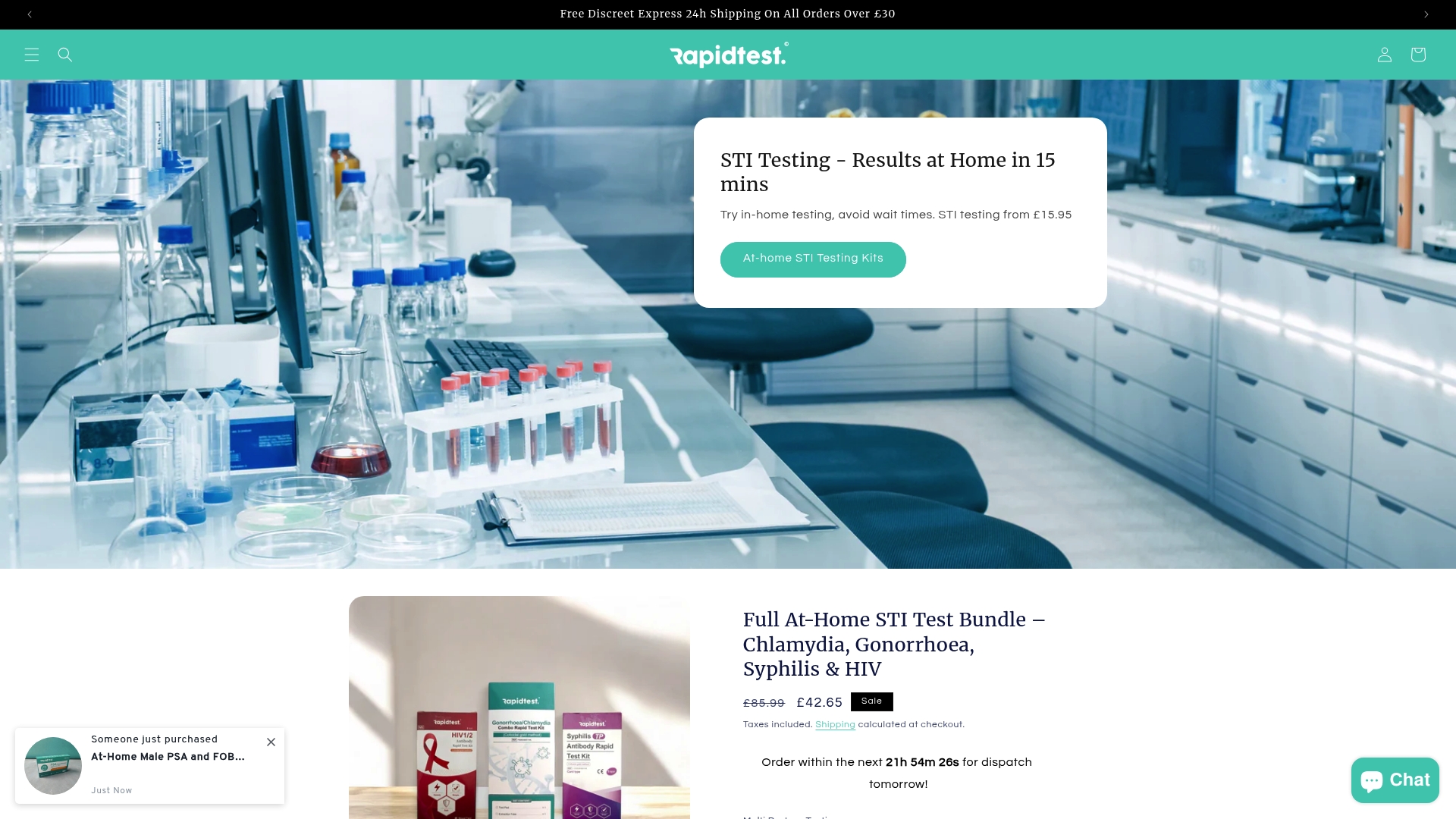
Our at-home health screening kits cover a wide range of conditions, including STI and STD screening, prostate health monitoring, and bowel cancer markers. The at-home STI and STD testing kits give you results in 15 minutes, privately, at home. Our PSA rapid test for prostate health is 98.79% accurate and delivers results in under 10 minutes. Every kit we offer is designed to give you clear, reliable information so you can make informed decisions about your health, on your own terms.
Frequently asked questions
What exactly is a multi-disease test kit?
A multi-disease test kit screens for several conditions from one sample, giving you a convenient health snapshot. It is a screening tool, not a device that provides definitive diagnoses.
Are at-home multi-disease test kit results final diagnoses?
No. Results indicate possible risk areas and require follow-up clinical testing to confirm or rule out any condition. Always consult a healthcare professional if something flags.
How do multi-disease kits test for multiple conditions at once?
They use technologies like multiplex assays and rRT-PCR, which allow several targets or markers to be detected simultaneously from the same sample.
Can multi-disease test kits replace standard health screenings?
No. They complement but don’t replace established screenings like mammograms, smear tests, or colonoscopies. They’re most useful in the gaps between scheduled appointments.
What should I do if my multi-disease test kit shows a positive result?
Contact a healthcare professional for confirmatory testing and assessment. Don’t self-diagnose, and don’t ignore it. A positive screening result is a prompt to investigate, not a final answer.