


Bowel health checklist: your complete guide
A bowel health checklist is a structured self-assessment tool that tracks stool patterns, symptoms, diet, and lifestyle to give you a clear picture of your digestive wellbeing. Most people only think about their gut when something goes wrong. The truth is, your bowel sends signals every single day, and knowing how to read them is one of the most practical things you can do for your long-term health. This guide walks you through every element of a solid digestive wellness checklist, from what healthy looks like to when you genuinely need to see a doctor.
1. What your bowel health checklist should track
The foundation of any good bowel health checklist is knowing your baseline. Healthy bowel function has clear, measurable markers: type 3 or 4 stool on the Bristol Stool Chart, one to three movements per day, and a transit time of 24–36 hours. These are not rough estimates. They are the objective standards against which you measure your own patterns.
The Bristol Stool Chart is a clinical tool used by gastroenterologists worldwide. Type 3 looks like a sausage with cracks on the surface. Type 4 is smooth and snake-like. Anything consistently outside types 3–4 signals that something in your diet, hydration, or gut function needs attention.
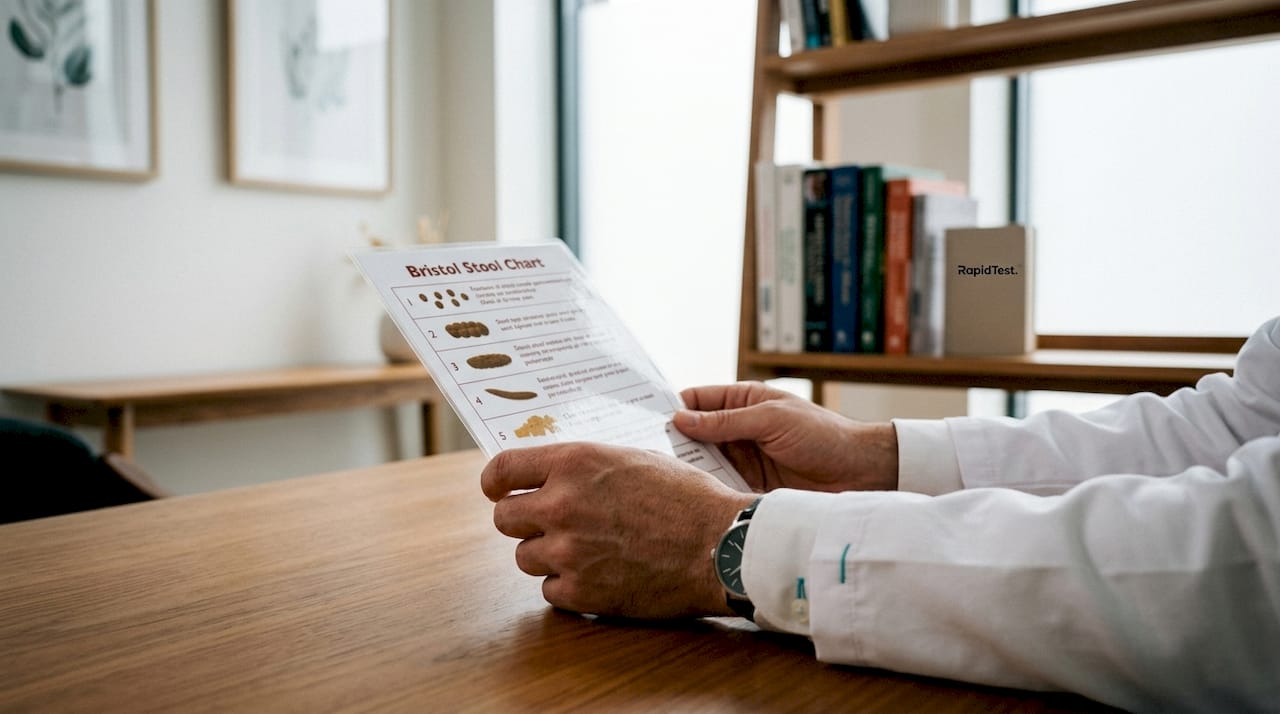
Tracking frequency matters just as much as stool form. One to three movements daily is the healthy range. Going less than three times a week points to constipation. Going more than three times a day consistently points to diarrhoea or a faster transit time than ideal.
2. Symptoms to monitor and when they become a concern
Symptoms are your gut’s way of communicating. The key is knowing which ones are noise and which ones are signals worth acting on.
Common symptoms to track include:
- Bloating or abdominal distension
- Constipation or straining
- Diarrhoea or loose stools
- Excessive wind
- Abdominal cramping or pain
- Nausea after eating
- Mucus in stools
- Fatigue linked to meals
Individuals experiencing five or more of these symptoms regularly should seek professional consultation. Zero to two symptoms indicate good gut health. Three to four symptoms suggest a closer look at diet and lifestyle before things escalate. That threshold is a practical triage tool, not a diagnosis.
Pro Tip: Keep a simple notes app entry each morning. Log your stool type, any symptoms, and what you ate the day before. Three days of data is more useful than a vague memory of “feeling off.”
Symptoms that appear cyclically, particularly bloating and changes in stool consistency, may relate to hormonal shifts during the menstrual cycle. Gut changes during the luteal phase are well documented. Accounting for this prevents unnecessary alarm and helps you spot genuine patterns.
3. Dietary guidelines for a healthy gut
Diet is the single biggest lever you have over your gut microbiome. The goal is not perfection. It is consistency and variety.
Eating 30 or more different plant foods per week is the gold standard for microbiome diversity. This matters more than hitting a fibre target alone. Plants include vegetables, fruits, wholegrains, legumes, nuts, seeds, and herbs. Counting variety, not just quantity, is the shift most people need to make.
Fibre intake should reach 30g per day. Most adults in the UK fall well short of this. Hydration supports fibre’s work in the gut: aim for 1.5–2 litres of water daily. Without adequate water, increased fibre can worsen constipation rather than relieve it.
Gut-friendly foods to prioritise:
- Oats, barley, and rye (prebiotic fibre)
- Garlic, onions, and leeks (inulin-rich prebiotics)
- Live yoghurt, kefir, and kimchi (fermented foods)
- Lentils, chickpeas, and black beans (resistant starch)
- Apples, bananas, and berries (polyphenols and fibre)
- Flaxseeds and chia seeds (soluble fibre)
Foods and additives to limit:
- Ultra-processed foods (crisps, ready meals, processed meats)
- Artificial sweeteners, particularly sorbitol and xylitol
- Excess red meat (more than three portions per week)
- Alcohol, which disrupts the gut lining
Ultra-processed foods reduce gut bacterial diversity and actively harm the microbiome. Cutting them back is not about being strict. It is about protecting the ecosystem your digestion depends on.
Gradually increasing fermented food intake to around six servings daily has shown promise in small studies for boosting microbiome diversity alongside fibre. Start with one serving and build slowly.
Pro Tip: Increase fibre by roughly 6g per day rather than overhauling your diet overnight. Small incremental increases alongside extra water measurably improve gut bacteria diversity while keeping bloating to a minimum.
4. Lifestyle habits that shape your digestive health
Your gut does not operate in isolation. Sleep, stress, and movement all feed directly into how well your bowel functions.
Daily habits including stress management, regular exercise, and adequate sleep maintain the gut microbiome and support digestive health. These are not optional extras. They are core inputs to your bowel care routine.
Key lifestyle factors to monitor:
- Exercise: Aim for 150 minutes of moderate activity per week. Walking, cycling, and swimming all count. Movement stimulates gut motility and reduces transit time.
- Sleep: Target 7–9 hours of quality sleep per night. Poor sleep disrupts the gut-brain axis and increases intestinal permeability.
- Stress: Chronic stress alters gut bacteria composition and can trigger or worsen irritable bowel syndrome. Breathing exercises, journalling, and regular breaks all help.
- Meal timing: Eating at consistent times supports your gut’s circadian rhythm.
A 12-hour overnight fasting gap between your last meal and breakfast gives your gut microbes a rest and supports circadian rhythm. This does not require anything extreme. Finishing dinner by 8PM and eating breakfast after 8AM achieves it naturally.
Pro Tip: Track your sleep hours and stress levels in the same log as your bowel symptoms. Patterns between poor sleep and next-day bloating or constipation become obvious within two weeks.
5. When to seek professional medical assessment
Some symptoms go beyond what lifestyle changes can address. Knowing the difference between a gut that needs better habits and one that needs a doctor is critical.
Red flags that require prompt medical assessment:
- Blood in stools or rectal bleeding
- Unexplained weight loss
- Persistent severe abdominal pain
- A change in bowel habits lasting more than three weeks
- Family history of bowel cancer or inflammatory bowel disease
- Stools that are consistently black or tarry
Symptoms including unexplained weight loss, blood in stool, and severe persistent pain require urgent assessment. Do not wait to see if they resolve on their own.
Colon cancer screening is one of the most effective preventive tools available. Detecting colon cancer at stage 1 yields approximately 90% survival. That figure drops sharply with later detection. Regular screening, particularly after the age of 50 or earlier with a family history, is not overcautious. It is rational.
Medication reviews also matter. Some common medicines, including opioids, iron supplements, and certain antidepressants, directly affect bowel function. If your symptoms started or worsened after a new prescription, raise it with your GP.
6. How to use your bowel health checklist day to day
A checklist only works if you use it consistently. The good news is that daily tracking takes less than two minutes.
Each day, log the following:
- Stool type (use the Bristol Stool Chart, types 1–7)
- Number of bowel movements
- Any symptoms (bloating, pain, wind, nausea)
- Approximate fibre and water intake
- Exercise completed
- Sleep hours and rough stress level
A notes app, a simple spreadsheet, or a paper diary all work equally well. The format matters less than the habit.
Fourteen days of tracking stool type, frequency, bloating, fibre intake, and sleep provides a detailed gut health snapshot that is more informative than many expensive consumer tests. Two weeks gives you enough data to spot genuine patterns rather than reacting to one-off days.
| Indicator | Healthy range |
|---|---|
| Stool type (Bristol Chart) | Types 3–4 |
| Bowel movement frequency | 1–3 times per day |
| Transit time | 24–36 hours |
| Daily fibre intake | 30g |
| Daily water intake | 1.5–2 litres |
| Weekly exercise | 150 minutes moderate activity |
| Sleep per night | 7–9 hours |
When your tracking shows a consistent deviation from these ranges, that is the moment to act. One bad day is noise. Five consecutive days of type 1 or 2 stools is a signal worth addressing, starting with fibre and hydration, and escalating to a GP if it persists.
Pro Tip: A 14-day tracking window beats a spot check every time. Self-tracking over two weeks gives you reliable data to share with a healthcare professional if needed, rather than a vague description of symptoms.
Key takeaways
A consistent bowel health checklist, built around stool type, symptom frequency, diet quality, and lifestyle habits, is the most practical tool for preventing digestive problems before they escalate.
| Point | Details |
|---|---|
| Know your healthy baseline | Aim for Bristol type 3–4 stools, 1–3 movements daily, and 24–36 hour transit time. |
| Count plant variety, not just fibre | Eating 30+ different plant foods weekly supports microbiome diversity more than fibre alone. |
| Lifestyle inputs are non-negotiable | 150 minutes of exercise, 7–9 hours of sleep, and stress management all directly affect bowel function. |
| Act on red flags immediately | Blood in stools, unexplained weight loss, and persistent pain require prompt medical assessment. |
| Track for 14 days before drawing conclusions | Two weeks of daily logging gives reliable data; spot checks miss patterns that matter. |
My honest view on bowel health tracking
I have seen a lot of people reach for expensive microbiome testing kits the moment they feel bloated. The appeal makes sense. You want an answer, and a test feels like a concrete step. But many at-home microbiome kits lack clinical actionability. The results are interesting, but they rarely tell you what to do next.
What actually works is far less glamorous. It is writing down what you ate, how you slept, and what your stool looked like for two weeks straight. Most people resist this because it feels too simple. But the patterns that emerge from that kind of tracking are genuinely useful, and they cost nothing.
The other thing I would push back on is the idea that gut health is a problem you fix once. Your microbiome shifts with stress, antibiotics, travel, and seasonal changes. The checklist approach works precisely because it is ongoing. You are not looking for a cure. You are building awareness of your own normal, so that deviations stand out clearly.
Stick with the basics: variety in your diet, consistent sleep, regular movement, and honest symptom tracking. That combination outperforms any supplement or test kit on the market for most people.
— Jack
At-home bowel health screening with Rapidtest
Lifestyle tracking is a powerful first step. Pairing it with a clinical screening test adds a layer of reassurance that no checklist alone can provide.
Rapidtest offers an at-home faecal occult blood test (FOB) that screens for hidden blood in your stool, one of the earliest detectable signs of bowel cancer. Results arrive in 15 minutes, at home, with no GP appointment and no waiting room. If you are over 50, have a family history of bowel disease, or simply want peace of mind alongside your daily tracking, the FOB kit fits naturally into your bowel care routine. Proactive screening and daily self-monitoring work best together.
FAQ
What is a bowel health checklist?
A bowel health checklist is a self-assessment tool that tracks stool type, bowel movement frequency, symptoms, diet, and lifestyle habits to monitor digestive wellbeing. It helps you spot patterns and identify when professional advice is needed.
How often should you have a bowel movement?
One to three bowel movements per day is the healthy range, with a transit time of 24–36 hours. Fewer than three movements per week indicates constipation and warrants dietary review.
What stool type is considered healthy?
Types 3 and 4 on the Bristol Stool Chart are considered healthy. Type 3 has a sausage shape with surface cracks, and type 4 is smooth and easy to pass.
When should bowel symptoms prompt a GP visit?
Seek medical assessment if you experience blood in stools, unexplained weight loss, severe persistent pain, or a change in bowel habits lasting more than three weeks. Five or more regular gut symptoms also warrant professional consultation.
How many plant foods should you eat per week for gut health?
Eating 30 or more different plant foods per week is the evidence-based target for supporting microbiome diversity. Variety across vegetables, fruits, wholegrains, legumes, nuts, and seeds all count toward this total.