


What is a wellness screening kit and what can it detect?
You’ve probably heard the phrase “catch it early” more times than you can count. But if you’re waiting until something feels wrong before getting checked, you’re already behind. A wellness screening kit changes that. Simply put, a wellness screening kit is a home testing set that collects biological samples, typically a finger-prick blood sample or swab, and sends them to a lab for analysis of key health markers. The result is a snapshot of your internal health, before symptoms show up.
Table of Contents
- Key takeaways
- What is a wellness screening kit?
- Health markers your kit can detect
- Who should use a wellness screening kit?
- At-home kits vs NHS health checks
- How to use a wellness kit correctly
- My take on wellness screening
- Explore Rapidtest’s health screening kits
- FAQ
Key takeaways
| Point | Details |
|---|---|
| What a wellness kit does | It collects blood or swab samples at home to analyse health markers like cholesterol, glucose, and hormones. |
| Who benefits most | Healthy adults aged 40 and over who want to monitor risk factors before symptoms appear. |
| At-home vs NHS check | NHS checks offer structured risk scores; home kits offer broader panels but require personal judgement on results. |
| Sample quality matters | Warming your hand and following collection steps precisely is critical for accurate lab results. |
| Results are a starting point | Wellness kits provide risk information, not diagnoses. Always follow up with a GP if results concern you. |
What is a wellness screening kit?
A wellness screening kit is a home testing set that collects samples for laboratory analysis of key health markers, enabling proactive monitoring and early risk detection. Think of it as a health MOT you can do from your kitchen table. No appointment needed, no waiting room, no awkward conversation with a receptionist.
Most kits use one of two sample types: a finger-prick blood sample or a swab. The blood sample is the most common because it allows labs to measure a wide range of biomarkers in one go. Once collected, you post the sample back using the prepaid envelope included in the kit, and the lab processes it.
Here’s what you’ll typically find inside a wellness testing kit:
- Sterile, single-use lancets for the finger prick
- Blood collection tubes labelled for each test
- Alcohol wipes to clean the fingertip beforehand
- A return form with your personal reference details
- Step-by-step instructions written in plain English
- A prepaid envelope for posting your sample back to the lab
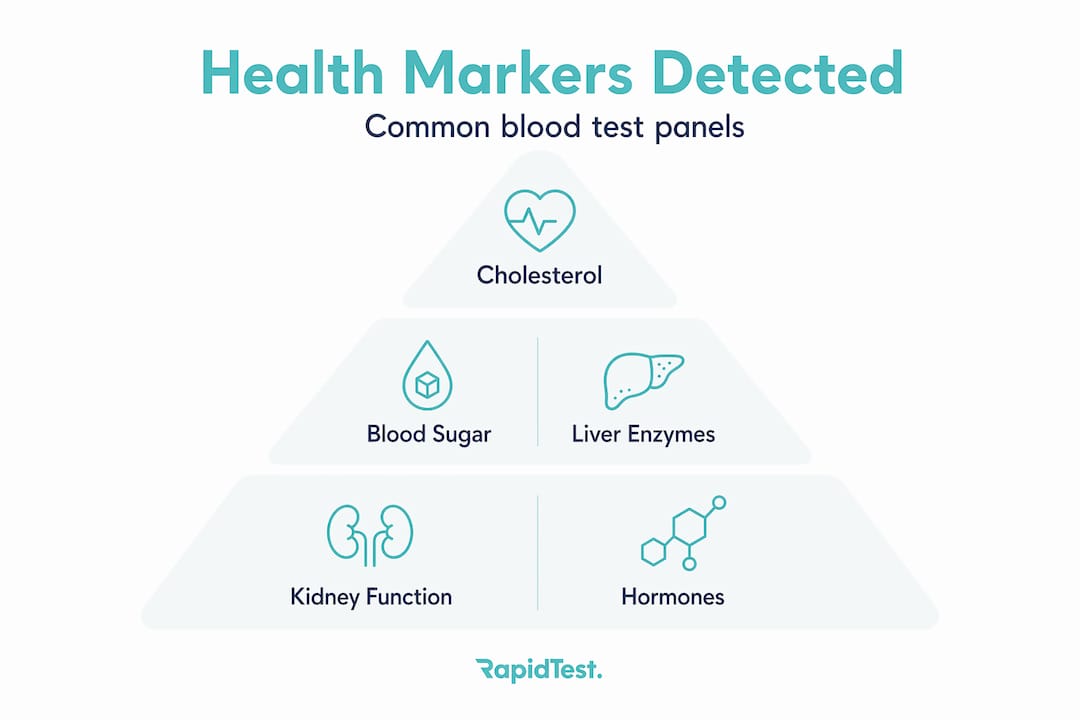
The biomarkers tested vary by kit, but most general wellness panels include cholesterol levels, blood glucose, hormones such as testosterone or thyroid function, and inflammation markers. These aren’t arbitrary choices. They’re the indicators most strongly linked to the conditions most likely to affect adults in their 40s, 50s, and beyond.
Pro Tip: Read the full instructions before you begin. Many people skip straight to the lancet and then struggle with the collection. Knowing what to expect at each step makes the whole process calmer and faster.
Health markers your kit can detect
This is where it gets genuinely useful. Understanding what your kit is actually measuring helps you take the results seriously rather than filing them away and forgetting about them.
Here are the core markers most wellness kits cover and why they matter:
- Cholesterol profile. High LDL cholesterol is a leading driver of cardiovascular disease. A full lipid profile shows your total cholesterol, LDL (the “bad” kind), HDL (the “good” kind), and triglycerides. You can have dangerously high cholesterol without a single symptom.
- Blood glucose and HbA1c. These markers reveal your blood sugar control over time. Elevated HbA1c is an early warning sign of type 2 diabetes, often years before a clinical diagnosis would be made.
- Liver function markers. ALT and AST are enzymes released when the liver is under stress. Raised levels can flag fatty liver disease, alcohol-related damage, or reactions to medication.
- Kidney function. Urea and creatinine levels show how well your kidneys are filtering waste. Declining kidney function rarely causes noticeable symptoms until it’s advanced.
- Hormones. Testosterone, oestrogen, and thyroid hormones directly affect energy, mood, weight, and libido. Imbalances are common and often overlooked as “just getting older.”
- Vitamin and mineral levels. Vitamin D deficiency is widespread across the UK, particularly in winter. Low ferritin (iron stores) is another frequently missed cause of fatigue.
General blood test kits can measure multiple health markers including liver enzymes, kidney function, cholesterol profile, and HbA1c, giving you a genuinely broad picture of your current health status. Here’s a quick reference for how these markers connect to conditions:
| Marker | What it measures | Linked condition |
|---|---|---|
| LDL cholesterol | Low-density lipoprotein levels | Heart disease, stroke |
| HbA1c | Average blood sugar over 3 months | Type 2 diabetes |
| ALT / AST | Liver enzyme activity | Fatty liver, liver damage |
| Creatinine | Kidney filtration efficiency | Chronic kidney disease |
| TSH | Thyroid hormone signal | Hypothyroidism, hyperthyroidism |
| Vitamin D | Fat-soluble vitamin level | Fatigue, bone loss, low immunity |
Who should use a wellness screening kit?
Let’s be real. Wellness kits are not for everyone, and being clear about that is actually part of their value.
They work best for adults who are broadly healthy and want to stay that way. If you’re in your 40s or 50s, have a family history of heart disease, diabetes, or cancer, and you’re not currently under active medical supervision for a serious condition, a home wellness kit is a genuinely useful tool.
The NHS Health Check is available to adults aged 40 to 74 who do not have existing high cardiovascular risk or serious diagnosed conditions, and it’s a useful reference point. Home wellness kits follow a similar philosophy: they’re preventative tools for people at a baseline risk level, not a replacement for ongoing clinical care.
People who tend to get the most from wellness kits include:
- Adults aged 40 and over who haven’t had a general health check recently
- People with a family history of cardiovascular disease, diabetes, or thyroid issues
- Those who feel generally well but want data, not guesswork, about their health
- Individuals who find GP appointments stressful, time-consuming, or difficult to access
There are also situations where a home kit is not the right choice. If you’ve already been told you have high cardiovascular risk, NHS eligibility guidance is clear that people with a 20% or higher CVD risk should seek clinical follow-up rather than self-screening. The same applies if you’re managing a diagnosed chronic illness. A wellness kit gives context, not clinical management.
Pro Tip: If you’re using a wellness kit for the first time, write down your results and the date. One set of results tells you where you are. Two or three sets, taken over months or years, tell you where you’re going. That trend data is far more powerful than any single snapshot.
At-home kits vs NHS health checks
People often wonder whether a home wellness kit does the same job as an NHS Health Check. The honest answer is: sort of, but not quite.
The NHS Health Check online provides a structured model including a questionnaire, self-measurements, and a finger-prick blood test, with a personalised 10-year cardiovascular risk score delivered online. It’s available to adults aged 40 to 74 and is built around evidence-based thresholds. The result is a clear risk score and recommended next steps. That clarity is a genuine strength.
Direct-to-consumer wellness kits offer something different. They typically test a broader panel of markers and give you raw data across multiple systems. The trade-off is that some tests can be inaccurate or confusing without professional context, and not all panels carry the same clinical weight. Experts caution that results are preliminary risk information, and professional advice remains important for interpreting anything outside normal range.
Here’s a direct comparison:
| Feature | NHS Health Check | At-home wellness kit |
|---|---|---|
| Eligibility | Ages 40 to 74, no serious existing conditions | Generally open to all adults |
| Markers tested | Cholesterol, blood pressure, BMI, glucose | Broader panel: liver, kidneys, hormones, vitamins |
| Risk score provided | Yes, 10-year CVD risk score | Rarely. Usually raw values with reference ranges |
| Clinical interpretation | Built-in with clear next steps | Reader’s responsibility, with guidance notes |
| Turnaround | Varies | Typically 2 to 3 days from sample to results |
| Cost | Free via NHS | Varies; often £30 to £150 |
The takeaway here is that both have a place. If you’re eligible for an NHS Health Check, do it. And if you want more detail on hormones, vitamin D, liver health, and other markers that aren’t part of the NHS panel, a home kit fills that gap. You can learn more about the differences in Rapidtest’s guide on lab vs home health tests.
How to use a wellness kit correctly
Most people underestimate how much sample quality matters. A poorly collected finger-prick sample can produce inaccurate results, not because the kit is bad, but because the technique was rushed.
Follow these steps every time:
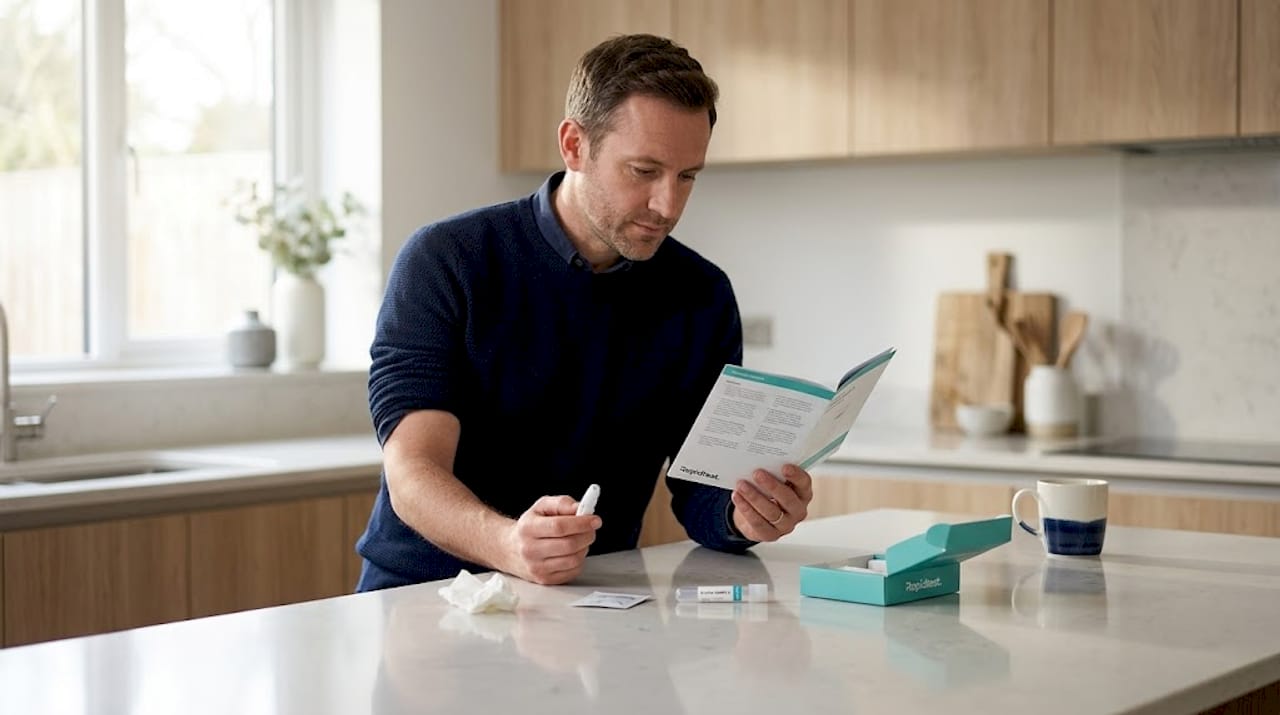
- Warm your hand for two to three minutes. Run it under warm water or rub your palms together. Cold hands produce poor blood flow and thin samples.
- Clean the fingertip with the alcohol wipe and let it dry completely before using the lancet.
- After the prick, wipe away the very first drop of blood. This drop can be contaminated by skin fluids and skew results.
- Gently squeeze from the base of the finger, not the tip, to encourage a steady flow.
- Fill the collection tube to the line marked on the side. Under-filling affects the test accuracy.
- Mix the tube gently by inverting it five or six times as instructed. Do not shake it vigorously.
- Label everything clearly, complete your return form, and post the same day where possible.
The quality of your sample directly affects lab accuracy. These steps aren’t fussy admin. They’re the difference between a useful result and a wasted kit.
When your results arrive, typically within two to three working days, look at each marker alongside the reference range provided. Values inside the range are considered normal for most adults. Values outside the range don’t automatically mean something is wrong. Age, sex, time of day, and recent activity all affect results. If anything flags outside range and you’re unsure, that’s the moment to speak to a GP. A guide on reading at-home test results can also help you interpret what you’re looking at with more confidence.
Pro Tip: Take your test first thing in the morning before eating or drinking anything other than water. Fasting results are more accurate for glucose and cholesterol, and many labs request this anyway.
My take on wellness screening
I’ve spoken with enough people who’ve used wellness kits to notice a pattern. The ones who get real value from them are the ones who go in with the right expectations. They don’t treat the kit as a diagnosis machine. They treat it as a conversation starter with their own body.
What I’ve found is that the biggest pitfall isn’t a faulty kit or an inaccurate result. It’s over-interpretation. Someone sees a cholesterol reading slightly above range and either spirals into anxiety or dismisses it entirely. Neither is helpful.
My view is this: a wellness kit is most powerful when you use it consistently, share unusual results with a professional, and resist the urge to draw dramatic conclusions from a single data point. Think of it as one layer of information, not the whole picture.
The convenience is real. The benefits are real. But they only materialise when you approach the results with a bit of perspective. A home kit is not a replacement for clinical care. It’s a signal, and signals are only useful if you know what to do with them.
— Jack
Explore Rapidtest’s health screening kits
If you’re ready to take a proper look at what’s happening inside your body, Rapidtest has a range of at-home wellness tests built for exactly that. No appointments, no queues, and results you can actually understand.
Whether you’re looking for a general health MOT, checking your PSA levels with Rapidtest’s men’s PSA test kit, or exploring fertility with a couples fertility bundle, you’ll get clear, private results in minutes. All kits are designed to be straightforward, reliable, and backed by proper lab analysis. Taking that first step towards knowing your numbers is one of the best things you can do for your long-term health.
FAQ
What is a wellness screening kit used for?
A wellness screening kit is used to test key health markers such as cholesterol, blood glucose, hormones, and liver and kidney function at home, giving you a snapshot of your health before symptoms appear.
What is included in a wellness kit?
Most wellness kits include sterile lancets, blood collection tubes, alcohol wipes, a return form, step-by-step instructions, and a prepaid envelope for posting samples to the lab.
How accurate are home wellness screening tests?
Home wellness tests can be accurate when samples are collected correctly, but some tests carry interpretation challenges and results should be treated as preliminary risk information rather than a clinical diagnosis.
How long does it take to get wellness kit results?
Results from a home wellness kit are typically available within two to three days of posting your sample, with many labs delivering results online within one working day of receiving the sample.
Can a wellness kit replace an NHS Health Check?
No. An NHS Health Check provides a structured 10-year cardiovascular risk score with clinical interpretation, whereas home wellness kits offer broader biomarker panels but without standardised risk scoring. Both serve different but complementary purposes.
Recommended
- Health Marker Screening Test Kits | At-Home Wellness Tests – RapidTest.co
- What is a multi-disease test kit? Your guide to at-home screening – RapidTest
- Top private screening kits for men: fast, reliable home health checks – RapidTest
- Travel Health Essentials Bundle – Complete At-Home Screening for Travel – RapidTest