


Top benefits of rapid testing for men's health screening
If you’re a man over 40 and the thought of booking a clinic appointment for an STI check or prostate screening makes you want to put it off indefinitely, you’re not alone. Between the wait times, the awkward conversations, and the sheer inconvenience, it’s easy to let health checks fall through the cracks. But here’s the thing: skipping screening isn’t a neutral decision. Rapid testing changes the equation entirely. In this article, we’ll walk through why at-home rapid tests matter, how they work, what the evidence says about their impact, and how to get the most out of them.
Table of Contents
- Why rapid testing matters for men’s health
- Key benefits of rapid self-testing kits
- How rapid testing kits work: Methods & accuracy
- Evidence for impact: Improved outcomes and access
- Pro tips for getting the most from rapid testing
- Why rapid testing is more than just convenience
- Explore rapid testing solutions for your peace of mind
- Frequently asked questions
Key Takeaways
| Point | Details |
|---|---|
| Immediate results | Rapid testing delivers results in 10–20 minutes, leading to faster treatment and peace of mind. |
| Privacy and convenience | At-home kits protect your privacy, letting you test discreetly and easily. |
| Proven health impact | Quick screening can reduce infection rates and help avoid unnecessary cancer procedures. |
| Accessibility gaps exist | While rapid tests boost testing rates overall, equity remains a challenge, especially in deprived areas. |
Why rapid testing matters for men’s health
Let’s be real. Most men don’t avoid health screening because they don’t care. They avoid it because the system makes it harder than it needs to be. Clinic hours that clash with work, the prospect of sitting in a waiting room, and the very real stigma around certain tests, especially STIs, all add up to a lot of reasons to delay.
Rapid testing flips that dynamic. Instead of scheduling an appointment and waiting days for results, you test at home and get your answer in 15 to 20 minutes. No queue, no doctor’s office, no uncomfortable conversation with a receptionist.
Here’s what makes rapid tests so practical for everyday use:
- Finger-prick blood tests for HIV and other markers
- Urine samples for prostate-specific antigen (PSA) levels
- Swab tests for chlamydia, gonorrhea, and other STIs
- Results in as little as 10 to 20 minutes for most tests
The impact isn’t just personal comfort. At-home STI kits have measurably changed public health outcomes. HIV finger-prick tests that deliver results in 20 minutes enable immediate treatment and partner notification, and rapid STI testing has cut chlamydia and gonorrhea transmission rates by up to 12% in UK public health data.
Addressing the stigma around STI testing is part of why private, at-home options matter so much. When men can test without anyone knowing, they actually do it.
“The best test is the one you actually take.” Privacy removes the biggest barrier between men and the screening they need.
Key benefits of rapid self-testing kits
Knowing why rapid testing is critical, let’s break down the practical benefits men experience.
The advantages go beyond just speed. When you look at what actually stops men from testing regularly, rapid kits address almost every single one of those barriers.
Privacy is the big one. Your kit arrives in plain packaging. You test at home, on your own schedule, without anyone else involved. No one at work needs to know you took a half-day for a clinic appointment. No awkward waiting rooms.
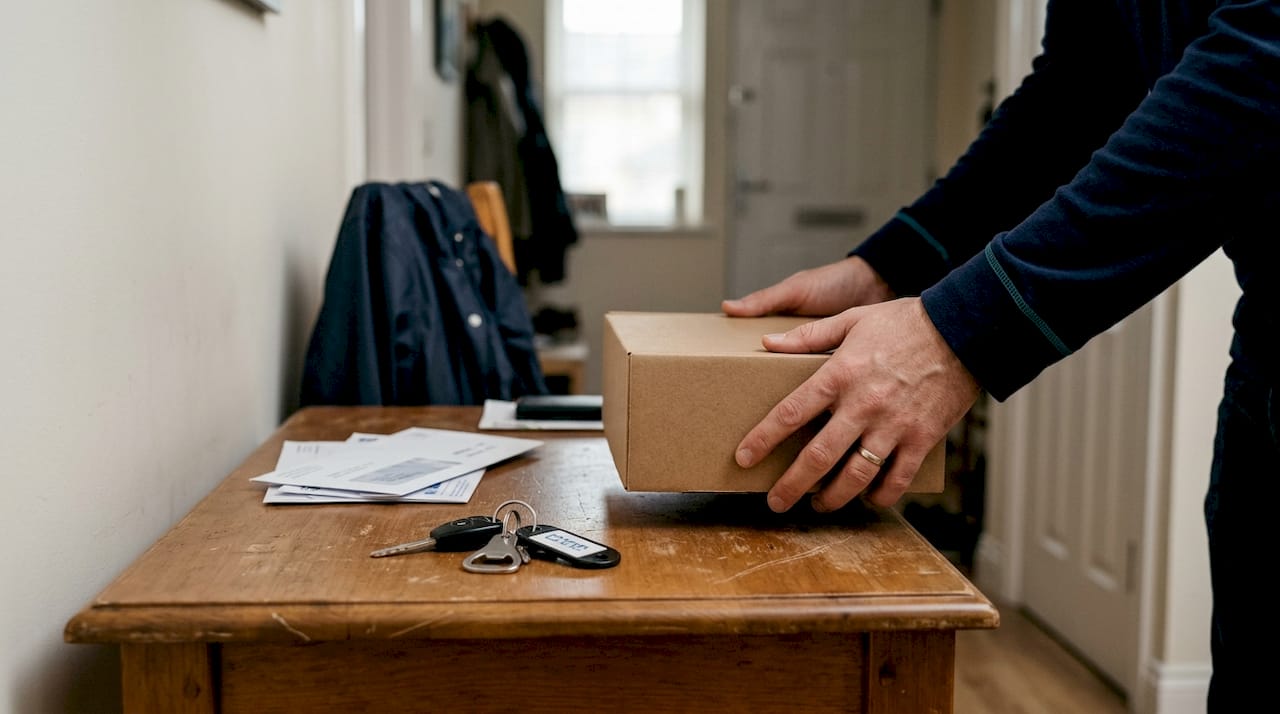
Convenience is a close second. Order online, receive the kit, follow simple instructions, and get your result. Self-testing kits explained in plain language mean you don’t need any medical background to use them correctly.
Speed matters more than people realize. Traditional lab-based tests can take several days to return results. That’s days of uncertainty and, in some cases, days where an infection could be passed on without knowing.
Here’s a quick summary of the core benefits:
- No clinic visits or appointments needed
- Discreet delivery and disposal
- Results in 15 to 20 minutes for most tests
- Easy to use with step-by-step instructions
- Suitable even for men who have never tested before
For STI testing for busy people, self-sampling is highly acceptable across Europe, with research confirming it helps overcome stigma and increases uptake, particularly for STIs and HIV.
Pro Tip: If you’ve never tested before and feel unsure, start with a single-condition kit. One test, one result, zero fuss. It builds confidence for making testing a regular habit.
How rapid testing kits work: Methods & accuracy
Understanding the advantages, let’s see how these technologies deliver reliable results at home.
The mechanics are simpler than most people expect. Depending on what you’re testing for, you’ll use one of three main sample methods:
| Test type | Sample method | Time to result | Accuracy |
|---|---|---|---|
| HIV | Finger-prick blood | 15 to 20 minutes | High (less than 2% false negatives) |
| Chlamydia/Gonorrhea | Urine or swab | 1 to 2 days (PCR) | High |
| PSA (prostate) | Urine | 10 to 15 minutes | AUC 0.769 to 0.789 |
| FOB (bowel cancer) | Stool sample | 10 to 15 minutes | High |
For prostate screening specifically, the PSA rapid test uses a urine-based lateral flow method. Research shows a urine test combining PSA and zinc markers achieves strong detection accuracy and can help 51% of men avoid an unnecessary biopsy, which is a significant quality-of-life benefit.
A few things to keep in mind about accuracy:
- Follow the instructions exactly. Timing your sample collection correctly is critical.
- False negatives are rare (under 2%) when the test is used as directed.
- A negative result after a recent risk event should be followed up, since some infections have a window period before they’re detectable.
- Positive results should always be confirmed with a healthcare provider.
The STI testing guide covers which test is right for which situation, which is worth checking if you’re unsure where to start.
Evidence for impact: Improved outcomes and access
Now, let’s compare real-world outcomes to see the bigger picture.
The data on rapid and self-sampling tests is genuinely encouraging, but it also comes with some important nuance worth knowing.
Online postal self-sampling for STIs in England has nearly doubled testing rates, with chlamydia and gonorrhea testing rates increasing by a factor of 2.1 to 2.5. That’s a dramatic shift in how many people are actually getting screened.
Here’s how uptake breaks down across different groups:
| Group | Testing rate increase (IRR) |
|---|---|
| Gay and bisexual men | Up to 3.6 |
| Heterosexual men | 1.8 |
| Overall population | 2.1 to 2.5 |
Three key takeaways from the evidence:
- Self-sampling works. The overall increase in testing is significant and translates directly into earlier detection and treatment.
- Not everyone benefits equally. Men in more deprived areas and heterosexual men see smaller gains, which means access and promotion need to be more targeted.
- Transmission rates drop. Faster results from chlamydia and gonorrhea testing mean quicker treatment and partner notification, which is how you actually reduce spread.
The equity gap is real and worth acknowledging. Closing health gaps requires more than just making tests available. It means actively reaching men who aren’t already engaged with health services. Still, for men who do have access, the STI/STD rapid kits available today represent a genuinely powerful tool.
Pro tips for getting the most from rapid testing
Finally, here are expert tips to help you use rapid tests with confidence.
A rapid test is only as good as how you use it. Here’s how to make sure you’re getting accurate, actionable results every time.
- Read the instructions before you open anything. Seriously. Know what you’re doing before you start, because some tests have strict timing requirements once the sample is collected.
- Test at the right time. For STIs, there’s a window period after exposure. HIV, for example, may not be detectable for up to 45 days after exposure with some tests. Check the kit’s guidance on this.
- Test regularly, not just once. Every 6 to 12 months is a reasonable baseline. After a new partner or unprotected sex, test sooner.
- Know what a positive result means. It’s not a disaster. It’s information. Contact your GP or a sexual health clinic to confirm and start treatment quickly.
- Don’t ignore symptoms after a negative result. If you’re symptomatic and tested negative, follow up with a healthcare provider. False negatives are rare but possible, and some infections need specific tests.
Pro Tip: Store your kit at room temperature and check the expiry date before use. An expired or poorly stored kit can affect accuracy, even if you follow every other step perfectly.
The benefits of at-home kits are clear, but they’re maximized when you treat testing as a habit rather than a one-off. Regular screening is how you stay ahead, not just how you react.
Also worth knowing: self-sampling accuracy is high when tests are used correctly, with false negatives under 2%. That’s reassuring, but it’s also a reminder that correct use matters.
Why rapid testing is more than just convenience
Stepping back, here’s what truly sets rapid testing apart for men over 40.
Most coverage of rapid testing focuses on speed and privacy, and yes, those matter. But the deeper shift is about agency. For men over 40, who grew up in a culture where going to the doctor felt like admitting weakness, rapid testing offers something more valuable than a quick result. It offers control.
You decide when to test. You decide what to test for. You get the result without anyone else’s involvement. That’s not just convenient. It’s a fundamentally different relationship with your own health.
The uncomfortable truth is that the traditional healthcare model was never designed with men’s reluctance in mind. Rapid testing doesn’t just work around that reluctance. It removes the reasons for it.
But here’s the part most articles skip: access still isn’t equal. Normalizing men’s health testing is progress, but it only helps the men who already know these options exist. The next step is making sure that rapid testing reaches men who have historically been left out of health conversations entirely. That’s a systemic challenge, and it’s one worth caring about.
Explore rapid testing solutions for your peace of mind
If you’re ready to take charge of your health, here are trusted at-home options to consider.
At Rapidtest, we’ve made it straightforward to screen for the things that matter most, without the wait, without the awkward appointments, and without anyone else needing to know.
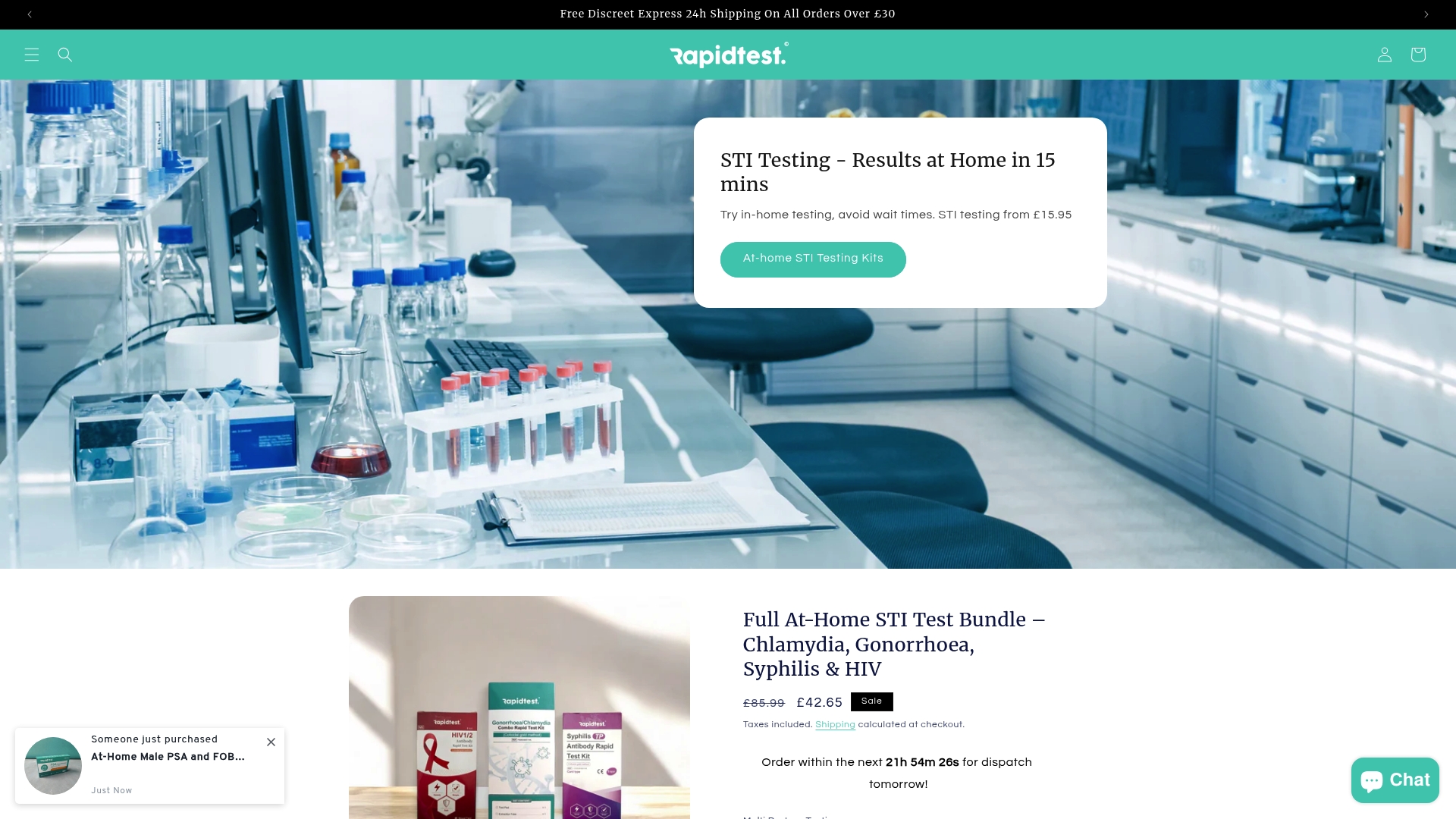
Whether you’re looking for at-home STI & STD test kits that deliver results in 15 minutes, or an at-home PSA prostate test to keep an eye on your prostate health, we’ve got you covered. Our kits are discreet, accurate, and designed for men who’d rather take action than wait around. Explore the full range of rapid tests and find the right fit for where you are right now. Your health, your timeline.
Frequently asked questions
How accurate are rapid STI and cancer screening tests at home?
When used correctly, rapid tests have a false negative rate under 2% and deliver high accuracy for most STIs and prostate markers. Following the instructions precisely is the single biggest factor in getting a reliable result.
How long do results from at-home rapid tests usually take?
Most rapid tests for STIs or cancer markers give you results within 10 to 20 minutes. Some molecular STI tests, like PCR-based chlamydia kits, may take up to two days since samples are sent to a lab.
How does rapid testing impact STI transmission rates?
Faster results mean faster treatment and quicker partner notification. In UK public health data, transmission rates dropped by up to 12% for chlamydia and gonorrhea when rapid testing was used.
Who benefits most from self-sampling kits for STIs?
Self-sampling increases testing across the board, but gay and bisexual men see the highest uptake increase, with testing rates rising by a factor of up to 3.6 compared to 1.8 for heterosexual men.
Recommended
- Smart choices: at-home test examples for men over 40 – RapidTest
- Self-testing kits explained: Safe, simple health checks at home – RapidTest
- Men’s 35+ Full Health MOT Bundle - Results at home in 10 Minutes for E – RapidTest
- What is test turnaround time? Fast results for men’s health – RapidTest
- Mental health support for men in London: 94% satisfied
- 7 Essential Male-Focused Med Spa Treatments for Men