


H pylori symptoms: what they mean and when to act
H. pylori, or Helicobacter pylori, is a bacterial infection that lives in the stomach lining and is one of the most common causes of peptic ulcer disease and gastritis worldwide. H pylori symptoms range from mild digestive discomfort to severe abdominal pain, yet two-thirds of the global population carry the bacteria without ever knowing it. When symptoms do appear, they typically involve the upper abdomen and digestive system. Recognising the signs early gives you the best chance of getting the right treatment before complications develop.
What are the common H pylori symptoms?
H pylori stomach symptoms centre on the upper abdomen and tend to come and go in ways that make them easy to dismiss as ordinary indigestion. The most characteristic sign is a burning or aching pain in the upper abdomen, typically occurring one to three hours after eating. That timing matters because it often points toward an ulcer rather than a simple upset stomach.
Beyond the pain, a range of digestive symptoms can accompany an infection:
- Bloating and a feeling of fullness after only a small amount of food
- Frequent burping
- Nausea, sometimes without vomiting
- Loss of appetite
- Unintentional weight loss over time
What makes H pylori infection signs tricky is how much they vary from person to person. One person might feel worse after eating; another might find that food temporarily eases the discomfort. Symptoms can improve or worsen depending on the meal, stress levels, and even the time of day. That unpredictability is exactly why people put off seeing a doctor, assuming it will pass on its own.
Pro Tip: Keep a simple symptom diary for one to two weeks. Note when the pain occurs, how long it lasts, and whether eating makes it better or worse. This information is genuinely useful to a GP and can speed up your diagnosis.

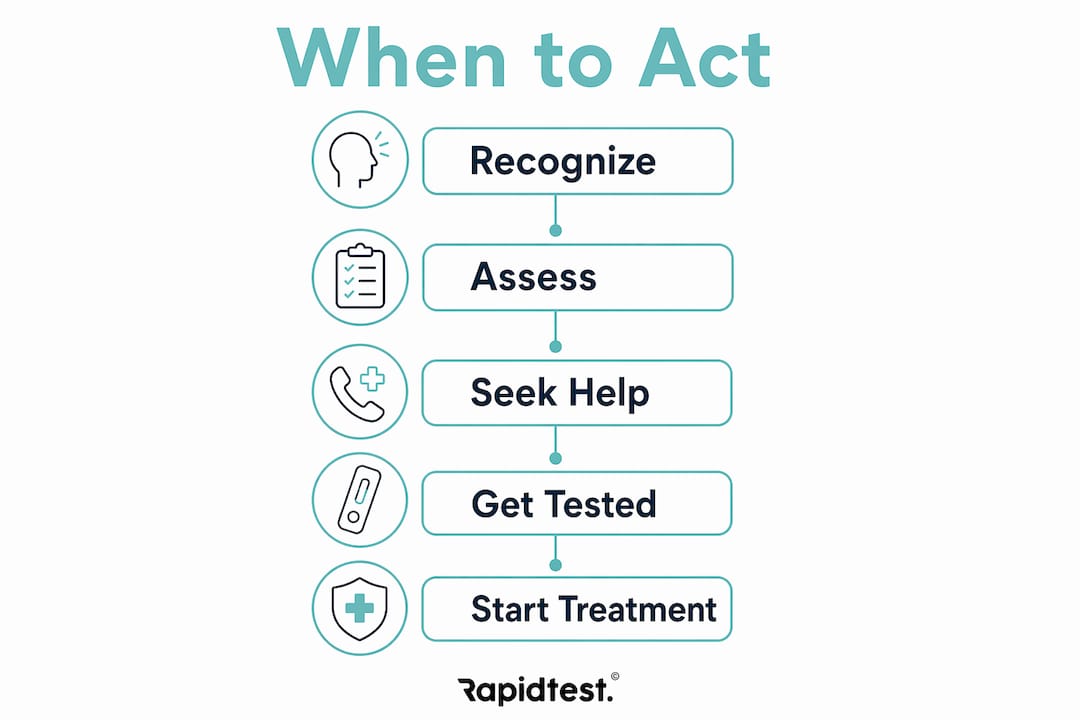
Which H pylori symptoms need urgent attention?
Most H pylori and gastritis symptoms are uncomfortable rather than dangerous. Some signs, however, indicate a serious complication that needs same-day medical assessment.
Seek urgent care if you experience any of the following:
- Black, tarry, or bloody stools
- Vomiting blood or material that looks like coffee grounds
- Severe, sudden abdominal pain that does not ease
- Unexplained dizziness or fainting alongside stomach pain
These symptoms can signal gastrointestinal bleeding or obstruction, both of which are medical emergencies. They do not always mean H. pylori is the cause, but they always mean something serious is happening that requires investigation.
Only 10–15% of people with H. pylori go on to develop peptic ulcer disease. That figure sounds reassuring, but it still represents millions of people globally. An untreated ulcer that bleeds is the most common route from a manageable infection to a hospital admission. Acting quickly on these red-flag signs is the difference between a course of antibiotics and a far more serious intervention.
Why are H pylori symptoms so hard to pin down?
The core difficulty with diagnosing H. pylori from symptoms alone is that the infection often produces no symptoms at all. Many people are diagnosed incidentally, during investigations for unrelated issues like iron deficiency anaemia or persistent fatigue. The bacteria can be present for years without causing any noticeable disruption.
When symptoms do appear, they overlap heavily with other common gastrointestinal conditions, including:
- Functional dyspepsia (persistent indigestion with no clear cause)
- Irritable bowel syndrome
- Acid reflux and gastro-oesophageal reflux disease (GORD)
- Non-steroidal anti-inflammatory drug (NSAID) related stomach irritation
This overlap means symptom-based diagnosis is unreliable without confirmatory testing. Clinical guidelines are clear on this point: a positive test, not a pattern of symptoms, is what confirms H. pylori infection. The three main diagnostic tests are the urea breath test, the stool antigen test, and the blood antibody test. Each has different strengths depending on whether you need to detect an active infection or check whether treatment has worked.
Ulcers caused by H. pylori can produce pain both on an empty stomach and after eating. That counter-intuitive variability is one reason people spend months assuming they have ordinary indigestion before seeking help. If your digestive symptoms have been present for more than a month, that persistence is a meaningful signal, not just bad luck.
Pro Tip: Symptoms lasting over a month are a strong reason to see your GP rather than reaching for another antacid. Short-term indigestion usually resolves on its own; persistent discomfort rarely does without treatment.
What should you do if you suspect an H pylori infection?
The first practical step is to track your symptoms honestly. Note the location of the pain, how often it occurs, whether it relates to meals, and any other digestive changes. This record helps your GP assess whether testing is warranted.
Your GP can refer you for one of the standard diagnostic tests. Here is a quick comparison of the main options:
| Test | How it works | Invasiveness | Good for |
|---|---|---|---|
| Urea breath test | You drink a solution and breathe into a bag; active bacteria produce detectable CO₂ | Non-invasive | Confirming active infection |
| Stool antigen test | A stool sample is tested for H. pylori proteins | Non-invasive | Active infection and post-treatment check |
| Blood antibody test | A blood sample checks for antibodies to H. pylori | Minimally invasive | Screening, but cannot confirm active infection |
| Endoscopy with biopsy | A camera examines the stomach lining directly | Invasive | Ruling out ulcers or cancer alongside H. pylori |
If a test comes back positive, treatment typically involves a course of two antibiotics combined with a proton pump inhibitor (PPI) to reduce stomach acid. Completing the full course is critical. Stopping early is one of the main reasons H. pylori infections return, and incomplete treatment contributes to antibiotic resistance.
At-home testing has become a practical first step for many people who want an answer before booking a GP appointment. Rapidtest’s H. pylori rapid test kit delivers results in 15 minutes from home, with no queue and no appointment needed. For a fuller picture of what at-home testing involves, the complete 2026 guide covers methods, accuracy, and next steps in detail.
If you are also experiencing symptoms that could suggest bowel issues, a faecal occult blood test can help screen for hidden blood in the stool, which is relevant given the overlap between H. pylori complications and other gastrointestinal conditions.
Key takeaways
H. pylori infection is confirmed by diagnostic testing, not symptoms alone, because most people carry the bacteria without any signs at all.
| Point | Details |
|---|---|
| Most infections are silent | Around two-thirds of the global population carry H. pylori, yet the majority have no symptoms. |
| Core symptoms involve the upper abdomen | Burning pain one to three hours after eating, bloating, nausea, and early fullness are the most common signs. |
| Red-flag symptoms need same-day care | Black stools, vomiting blood, or sudden severe pain require urgent medical assessment. |
| Symptoms mimic other conditions | H. pylori signs overlap with acid reflux, IBS, and functional dyspepsia, making testing the only reliable way to confirm infection. |
| Persistent symptoms warrant a GP visit | Digestive discomfort lasting more than one month is a strong signal to seek evaluation rather than self-treating. |
What I’ve learnt from watching H. pylori fall through the cracks
People consistently underestimate how long they have been putting up with digestive symptoms. You get used to the bloating after lunch, the burning that wakes you at 2AM, the antacids you keep in your desk drawer. It becomes background noise. That normalisation is exactly how H. pylori infections go undetected for years.
The part that surprises people most is the asymptomatic angle. You can carry this bacteria for a decade, feel completely fine, and then have a blood test for something unrelated reveal it. Equally, you can have textbook symptoms and still need a test to confirm it, because the symptoms alone genuinely cannot tell you whether you have H. pylori, acid reflux, or functional dyspepsia.
What has changed in recent years is the accessibility of testing. The urea breath test and stool antigen test are both non-invasive and accurate. At-home rapid tests have made it possible to get a preliminary answer without waiting weeks for a GP appointment. That matters because the earlier you confirm an infection, the simpler the treatment. A standard triple therapy course is straightforward. A bleeding ulcer is not.
My honest view is this: if your stomach has been off for more than a month, stop assuming it will sort itself out. Get tested. The gastroenterology resources at 1800Endoscope.com are a useful starting point if you want to understand what ongoing abdominal symptoms might indicate before speaking to a specialist. Knowledge is not anxiety. It is the thing that gets you the right treatment faster.
— Jack
At-home H pylori testing with Rapidtest
Waiting weeks for a GP appointment when your stomach has been playing up for a month is frustrating. Rapidtest makes it straightforward to get a first answer at home, in 15 minutes, without any queues or awkward conversations.

The Rapidtest H. pylori rapid test kit screens for active infection using a simple process you can complete at home. A positive result gives you something concrete to take to your GP, which speeds up the path to treatment. If you want to screen for other digestive health concerns at the same time, Rapidtest’s health test bundles cover a range of conditions including bowel cancer screening. Testing at home does not replace medical advice, but it gives you the information you need to have a more informed conversation with your doctor.
FAQ
What are the first signs of H pylori infection?
The earliest H pylori infection signs are usually a burning or aching sensation in the upper abdomen, often occurring one to three hours after eating, alongside bloating and frequent burping. Many people, however, have no symptoms at all.
Can H pylori cause symptoms without an ulcer?
Yes. H. pylori can cause gastritis, which produces symptoms of H pylori including nausea, bloating, and upper abdominal discomfort, even when no ulcer has formed. Gastritis is an inflammation of the stomach lining that does not always progress to an ulcer.
How is H pylori diagnosed?
H. pylori is confirmed through a urea breath test, stool antigen test, or blood antibody test. Symptom-based diagnosis alone is unreliable and clinical guidelines recommend confirmatory testing for accurate detection.
When should I see a doctor about stomach symptoms?
See a GP if digestive symptoms persist for more than one month, or immediately if you notice black or tarry stools, vomit blood, or experience sudden severe abdominal pain. These red-flag signs require same-day assessment.
Does H pylori go away without treatment?
H. pylori does not clear on its own. It requires a course of antibiotics combined with a proton pump inhibitor. Completing the full treatment course is critical to prevent the infection from returning.