


Bumps after shaving or herpes: how to tell the difference
Razor bumps, clinically known as pseudofolliculitis barbae, are caused by hair follicle irritation or ingrown hairs. Herpes is a viral infection caused by the herpes simplex virus, producing clusters of fluid-filled blisters. These two conditions can look worryingly similar, which is why so many people searching “bumps after shaving or herpes” end up confused and anxious. The good news is that they differ clearly in appearance, timing, and associated symptoms. Razor bumps resolve within 3–7 days if you stop shaving, while a primary herpes outbreak lasts 2–4 weeks and follows a distinct progression. Knowing the difference matters, and this guide will help you get there.
What are the signs and symptoms of bumps after shaving compared to herpes?
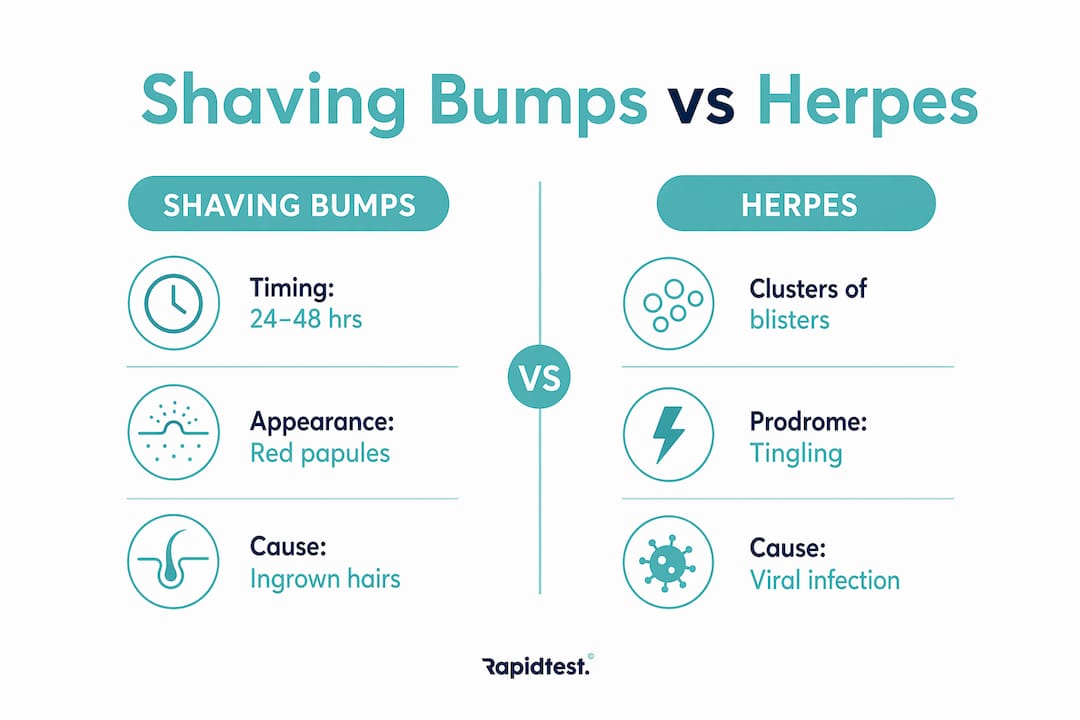
The visual difference between shaving irritation and herpes lesions is the clearest place to start. Razor bumps appear as red, raised papules often with a visible trapped hair curling back into the skin. Herpes presents as tight clusters of fluid-filled vesicles that break open into painful ulcers before crusting over. Spotting a hair inside a bump is a reliable sign you are dealing with an ingrown hair. Visible trapped hair confirms an ingrown hair, not herpes, because herpes lesions never contain hair.
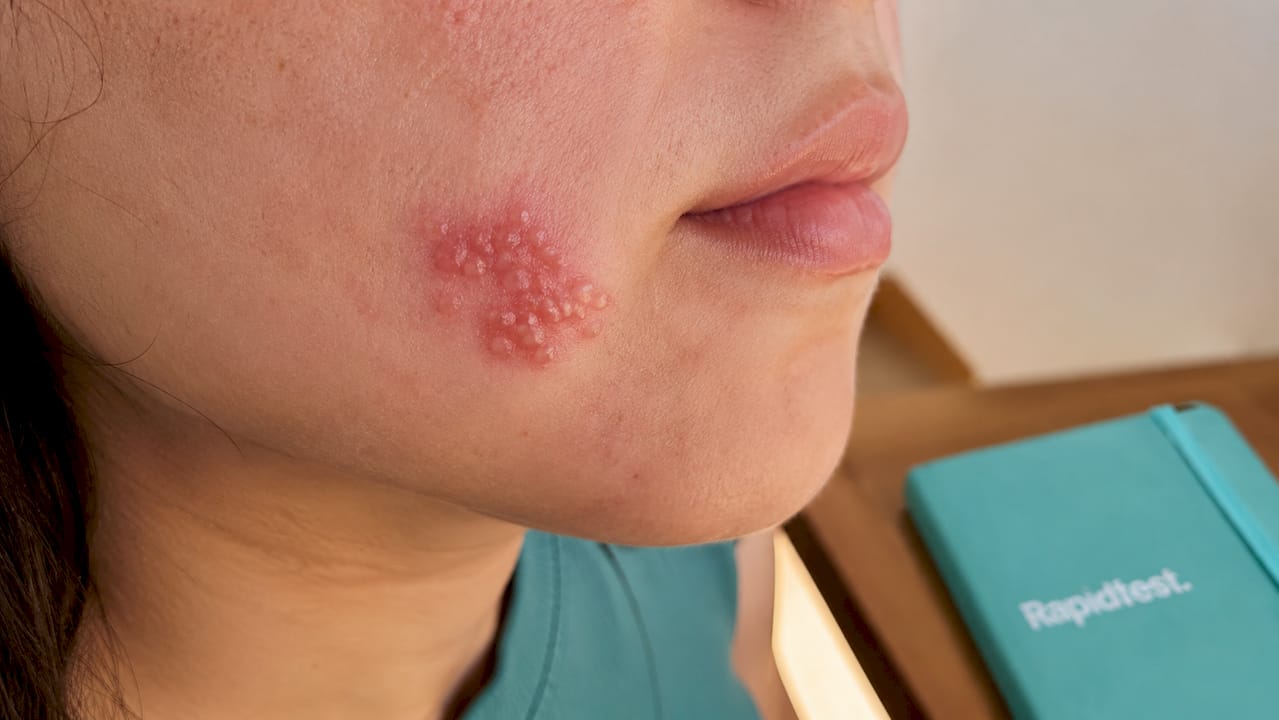
Timing is another strong clue. Razor bumps appear within 24–48 hours of shaving, typically in areas you have just shaved: the bikini line, underarms, legs, or face. Herpes lesions can appear anywhere on the genitals, mouth, or anus, and they are not linked to a recent shave. Herpes also brings systemic symptoms that shaving irritation simply does not. Herpes systemic symptoms include fever, headache, and swollen glands, which are your body’s response to a viral infection.
Pro Tip: Watch for a prodromal phase before herpes blisters appear. Tingling or burning 12–48 hours before lesions is the most reliable early sign of herpes and helps distinguish it from post-shave irritation, which has no warning phase.
| Feature | Razor bumps | Herpes |
|---|---|---|
| Appearance | Red, raised papules with possible trapped hair | Clusters of fluid-filled blisters, then ulcers |
| Onset timing | Within 24–48 hours of shaving | After prodromal tingling, 12–48 hours before blisters |
| Location | Shaved areas: legs, bikini line, face | Genitals, mouth, anus |
| Systemic symptoms | None | Fever, swollen lymph nodes, headache |
| Duration | 3–7 days with shaving paused | 2–4 weeks for a primary outbreak |
Why do bumps appear after shaving, and what triggers herpes outbreaks?
Razor bumps form when a shaved hair curls back and re-enters the skin instead of growing outward. This is especially common in people with curly or coarse hair, where the natural curl of the hair shaft makes re-entry more likely. The skin responds to the trapped hair as a foreign body, triggering localised inflammation, redness, and swelling. Multiple passes with a razor, shaving against the direction of hair growth, and using a blunt blade all increase the mechanical trauma that drives this process.
Herpes has a completely different origin. The herpes simplex virus lives dormant in nerve tissue and reactivates under certain conditions. Shaving does not cause herpes, but the mechanical trauma of shaving can trigger an outbreak in someone who already carries the virus. Shaving can trigger herpes outbreaks in carriers, which means both conditions can occur at the same time and require separate treatment.
Common causes and triggers for each condition:
- Curly or coarse hair texture causes the hair shaft to re-enter the skin after shaving, producing ingrown hairs.
- Blunt or multi-blade razors increase friction and skin trauma, raising the risk of razor bumps.
- Shaving against the grain cuts hair below the skin surface, making re-entry more likely.
- Stress and illness are well-established triggers for herpes reactivation in carriers.
- Skin trauma, including shaving, can provoke a herpes outbreak in the affected area.
- Hormonal changes may also trigger herpes recurrences in some people.
Understanding these separate mechanisms matters because the treatments are entirely different. Treating a herpes outbreak with razor bump remedies will not work, and vice versa.
How are razor bumps and herpes diagnosed and treated?
Diagnosis starts with observation. If bumps appear within a day or two of shaving, contain a visible hair, and carry no fever or systemic symptoms, shaving irritation is the most likely cause. If bumps appear in clusters, feel painful rather than itchy, and come with tingling, fever, or swollen glands, seek medical evaluation. A clinician can confirm herpes through a swab test of an active lesion or a blood test for herpes simplex virus antibodies.
Treating razor bumps at home
Most cases of shaving irritation respond well to simple self-care. The key is to stop shaving the affected area and let the skin settle.
- Apply a warm compress to the area twice daily to soften the skin and encourage trapped hairs to release.
- Use chemical exfoliants like salicylic or glycolic acid at 1–2% concentration to clear dead skin cells without physical abrasion.
- Apply a short course of topical hydrocortisone 1% cream for no more than 5–7 days to reduce inflammation.
- Use a non-comedogenic moisturiser to keep the skin barrier healthy.
- Avoid picking, squeezing, or scrubbing the bumps. Aggressive scrubbing worsens razor bumps and raises the risk of scarring.
Severe or persistent cases may need a dermatologist prescription for topical clindamycin or retinoids.
Pro Tip: People with medium to deep skin tones are particularly prone to post-inflammatory hyperpigmentation after razor bumps. Avoid any harsh treatment and consider body scrubs that improve skin texture as part of a gentle long-term skincare routine to reduce discolouration.
Treating herpes
Herpes has no cure, but antiviral medications manage it effectively. Antiviral treatment shortens outbreaks and reduces symptom severity. Aciclovir, valaciclovir, and famciclovir are the most commonly prescribed options in the UK. Symptom relief measures include cool compresses, loose clothing, and over-the-counter pain relief. Suppressive antiviral therapy, taken daily, reduces the frequency of recurrences and lowers transmission risk. If you suspect herpes, speak to a GP or sexual health clinic promptly. The sooner treatment starts, the shorter the outbreak.
How to prevent shaving irritation and spot herpes recurrence
Prevention is straightforward once you understand what causes razor bumps. The right technique makes a significant difference.
- Soak the skin in warm water for at least two minutes before shaving to soften the hair and open the follicle.
- Always shave in the direction of hair growth, not against it.
- Use a sharp single-blade razor and replace it regularly. Multi-blade razors cut hair below the skin surface, increasing ingrown hair risk.
- Avoid multiple passes over the same area.
- Apply a soothing, alcohol-free aftershave balm or non-comedogenic moisturiser immediately after shaving.
- Wear loose, breathable clothing after shaving sensitive areas to reduce friction.
- Consider body scrubs to reduce ingrown hairs as a regular preventive step between shaves.
If shaving consistently causes problems, alternative hair removal methods carry lower irritation risk. Electric trimmers leave hair slightly longer, reducing re-entry into the skin. Depilatory creams dissolve the hair at the surface without cutting. Laser hair removal offers a longer-term reduction in hair density and is particularly effective for people prone to pseudofolliculitis barbae.
Distinguishing a herpes recurrence from post-shave irritation comes down to the prodrome. A herpes recurrence typically begins with tingling, burning, or itching in the affected area before any visible lesion appears. Post-shave irritation has no warning phase. It appears within hours of shaving and is directly linked to the area you shaved. Herpes can be transmitted without visible symptoms, which is why testing matters if you are uncertain. Do not rely on visual inspection alone when the stakes are this high.
Key takeaways
Razor bumps and herpes are distinct conditions that differ in cause, appearance, timing, and treatment, and confusing them leads to the wrong response.
| Point | Details |
|---|---|
| Timing tells you a lot | Razor bumps appear within 24–48 hours of shaving; herpes follows a prodromal phase of tingling before blisters form. |
| Look for trapped hair | A visible hair inside a bump confirms an ingrown hair, not herpes, as herpes lesions never contain hair. |
| Systemic symptoms signal herpes | Fever, swollen lymph nodes, and headache accompany herpes but never shaving irritation. |
| Treat each condition separately | Chemical exfoliants and warm compresses work for razor bumps; antiviral medication is required for herpes. |
| Test if you are unsure | Herpes can spread without visible symptoms, making professional or at-home testing the only reliable confirmation. |
Let’s be real about what these bumps actually mean
People panic when they see bumps in sensitive areas. That is completely understandable. But the panic itself often leads to the wrong conclusion, and the wrong conclusion leads to the wrong treatment.
The most common mistake I see is people treating what is clearly a herpes outbreak with razor bump remedies, or the reverse: assuming a straightforward case of pseudofolliculitis barbae is something more serious and spiralling into unnecessary anxiety. The body gives you clear signals if you know what to look for. Timing, location, the presence or absence of a trapped hair, and whether you feel unwell are all diagnostic clues that cost nothing to observe.
What I would say to anyone reading this is: do not ignore persistent or painful lesions. Razor bumps that do not clear within a week of pausing shaving deserve a closer look. Blisters that cluster, ulcerate, or come with a fever are not shaving irritation and should not be left untreated. Gentle skincare is always the right instinct for post-shave skin. Picking, scrubbing, and harsh products make both conditions worse. And if there is any genuine doubt about what you are dealing with, testing is the only way to know for certain. Guessing is not a health strategy.
— Jack
Not sure what you are dealing with? Test at home in 15 minutes
If your symptoms are not resolving or you are concerned about herpes, the fastest way to get clarity is to test.

Rapidtest offers at-home STI testing kits that give you results in 15 minutes, with no appointment, no queue, and no awkward conversation at a clinic. The HSV-2 at-home test kit is designed specifically for people who want to check for genital herpes privately and quickly. You test at home, read your result, and know where you stand. If you want a broader picture of your sexual health, the common STI symptoms guide on the Rapidtest site is a useful starting point before you test.
FAQ
How do I know if my bumps are from shaving or herpes?
Razor bumps appear within 24–48 hours of shaving and often contain a visible trapped hair. Herpes presents as clusters of blisters preceded by tingling and may come with fever or swollen glands.
Can shaving cause herpes?
Shaving does not cause herpes. However, the physical trauma of shaving can trigger a herpes outbreak in someone who already carries the virus.
How long do razor bumps last compared to herpes?
Razor bumps typically clear within 3–7 days when shaving is paused. A primary herpes outbreak lasts 2–4 weeks and follows a distinct progression from blisters to ulcers to crusting.
What is the best razor bumps treatment?
Warm compresses, chemical exfoliants such as salicylic or glycolic acid at 1–2%, and short-term topical hydrocortisone 1% are the most effective at-home treatments. Avoid physical scrubbing, which worsens irritation.
Should I get tested if I am unsure about my symptoms?
Yes. Herpes can be transmitted even without visible symptoms, so visual inspection alone is not reliable. An at-home herpes test or a visit to a sexual health clinic provides a definitive answer.